What's The Big News?
Hyundai's been quietly working on something big, and folks, it's not another facelift. We're talking about a brand-new electric SUV, codenamed the Ioniq P, poised to shake up the Indian EV scene. If you thought the Ioniq 5 was a glimpse into Hyundai's electric future, prepare yourselves – this "P" model is aiming squarely at a more mainstream, albeit premium, segment.
This isn't just another electric car; it's Hyundai's next big play in a market hungry for electric SUVs. Imagine the best of Hyundai's design language, cutting-edge EV tech, and a practical SUV form factor – all wrapped up in a package that's expected to deliver serious range. It's the kind of car people save up for, and we've got the early lowdown on what to expect.
Design: A Bold New Electric Statement
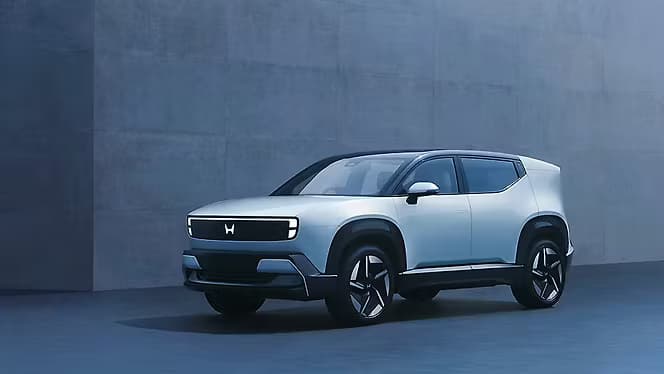
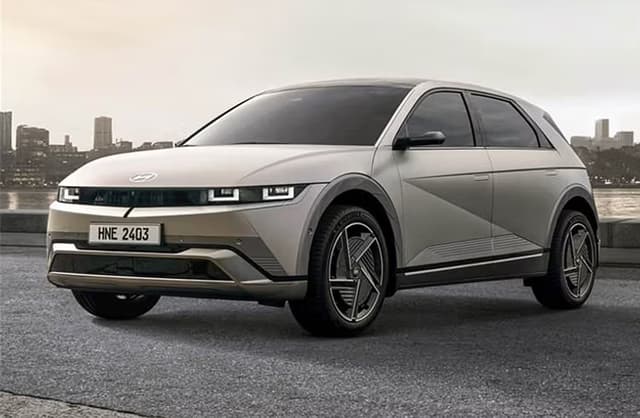
Let's talk looks first, because that's often the first thing that catches our eye, right? From what we're hearing and seeing from spy shots floating around, the Ioniq P isn't playing it safe. It’s likely to carry forward a distinct "Parametric Pixel" design philosophy, much like its Ioniq siblings, but with a more assertive, SUV stance. Think sharp lines, unique LED signature lighting that grabs attention, and proportions that scream 'modern EV'. It won't be mistaken for any other car on the road, that's for sure.
Inside, Hyundai usually knocks it out of the park, and we expect nothing less here. The cabin should be a masterclass in minimalist design, but without sacrificing functionality. Expect a dual-screen setup for infotainment and instrumentation, premium materials throughout, and clever use of space thanks to the dedicated EV platform. We're anticipating a light and airy feel, possibly with sustainable materials that are becoming a hallmark of modern EVs. For families looking for a spacious, feature-packed electric SUV, the Ioniq P's interior could be a major selling point. It's got to feel special if it's going to command that premium price tag.
Under The Hood: Platform, Range & Charging Prowess
Here's the thing — an EV is only as good as its platform and powertrain. The Ioniq P is widely expected to ride on Hyundai's E-GMP (Electric Global Modular Platform), and honestly, it shows. This dedicated EV architecture allows for a flat floor, optimal battery placement for a low center of gravity, and impressive interior packaging. This means more space for you and your family, and a more stable, engaging drive.
Range is probably the biggest question on everyone's mind, and Hyundai knows it. While official figures are yet to be revealed, we're anticipating a real-world range that can comfortably tackle inter-city commutes. Given Hyundai's expertise with the Ioniq 5, a range upwards of 450-500 km on a single charge (WLTP cycle) wouldn't surprise us. Charging will undoubtedly be fast; the E-GMP platform supports ultra-fast DC charging, potentially up to 350 kW, which means you could top up a significant chunk of the battery in less than 20 minutes at compatible chargers. That’s a game-changer for long road trips, making range anxiety a thing of the past for many.
Specs At A Glance
Feature | Details (Expected) |
|---|---|
Platform | E-GMP (Electric Global Modular Platform) |
Battery Capacity | Likely around 60-77 kWh |
Expected Range (WLTP) | 450-500 km+ |
Charging (DC Fast) | Up to 350 kW (80% in ~18-20 mins) |
Motor Layout | Single Motor (RWD) / Dual Motor (AWD) options expected |
Seating Capacity | 5 Passengers |
Infotainment | Dual Integrated Screens (TBA size) |
ADAS Features | Expected (Level 2 likely) |
Advertisement
How Does It Stack Up Against The Competition?
The Ioniq P isn't entering an empty playground. It's stepping into a rapidly growing premium EV SUV segment. Its primary rivals will be the MG ZS EV, which has carved out a decent niche, and the upcoming Maruti eVX, which will likely be positioned as a more accessible alternative. Then there's the Tata Nexon EV Max/LR, which dominates the budget segment but offers less premium appeal.
Compared to the MG ZS EV, the Ioniq P, with its E-GMP platform, will likely offer superior charging speeds, potentially better range, and a more futuristic design. The ZS EV is good, but the Ioniq P promises a next-gen EV experience. The Maruti eVX, while highly anticipated, might target a slightly lower price point, focusing on mass-market appeal. The Ioniq P is expected to sit above it, offering more premium features, performance, and a distinctive identity. While the Creta EV is also in the pipeline, the "Ioniq P" designation suggests a more advanced, purpose-built EV offering rather than an electrified ICE platform. This dedicated platform could give it a significant edge in driving dynamics and cabin space over any electrified ICE counterpart.
The Good And The Not-So-Good
What We Like
- Dedicated EV Platform: The E-GMP platform means optimized packaging, performance, and charging.
- Futuristic Design: Expected to turn heads with its unique 'Parametric Pixel' styling.
- Impressive Expected Range: Should comfortably tackle long distances, easing range anxiety.
- Ultra-Fast Charging: A major convenience for quick top-ups on the go.
- Premium Interior: Hyundai's track record suggests a well-appointed, spacious cabin with advanced tech.
- Hyundai's Reliability & Service Network: A big plus for Indian buyers.
What Could Be Better
- Expected High Price Point: Could put it out of reach for many prospective EV buyers.
- Charging Infrastructure: While improving, ultra-fast chargers are still sparse outside metros.
- Battery Replacement Costs: A long-term concern for any EV, though warranties help.
- Initial Availability: Like most new EVs, it might take time to reach all corners of India.
Price & When You Can Buy It
This is the million-dollar question, isn't it? While Hyundai hasn't uttered a peep about the official pricing, given its expected premium positioning, dedicated EV platform, and advanced features, don't expect it to be a budget EV. We're anticipating the Hyundai Ioniq P to be priced in the ₹25-35 lakh (ex-showroom) range, placing it squarely against the higher variants of the MG ZS EV and perhaps even eyeing the entry-level luxury EV space.
As for availability, the Ioniq P is still under wraps globally, with a potential international debut later this year or early next. For India, we could be looking at a launch in late 2024 or early 2025. Hyundai typically takes its time to localize or optimize for the Indian market, so while the wait might be a bit long, it usually means a more polished product for us.
Our Verdict
Look, Hyundai's got a strong hand with its Ioniq line-up, and the Ioniq P is shaping up to be another ace. It promises the kind of sophisticated EV experience that many Indian buyers are now looking for – an electric SUV that doesn't compromise on style, space, or performance. If the expected range and charging capabilities hold true, and Hyundai prices it smartly (not cheap, but competitive for what it offers), this could very well become a benchmark in the premium non-luxury EV SUV segment. Honestly, for those saving up for a truly modern electric SUV that stands out and delivers, the Ioniq P might just be worth every single paisa. It has the potential to redefine expectations for what a practical, yet aspirational, EV can be in India.