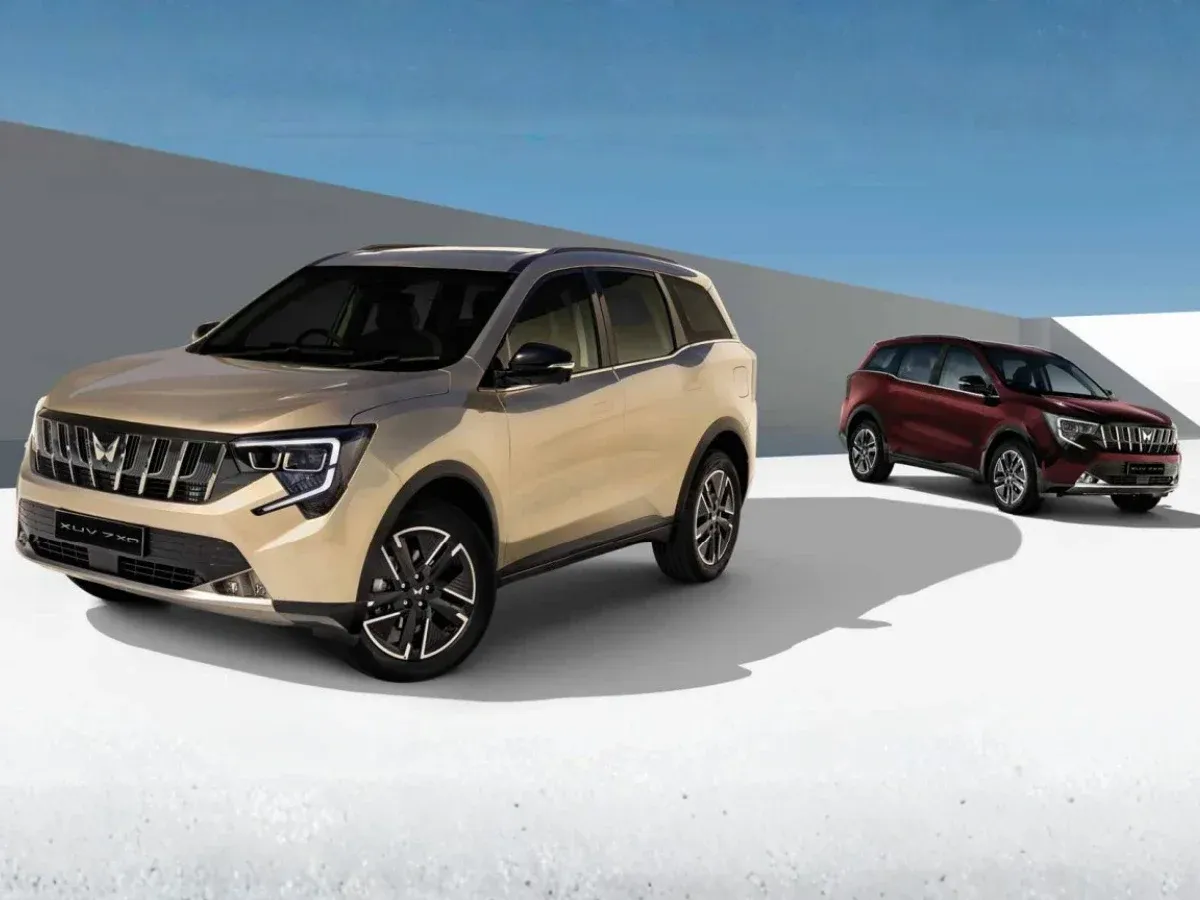
What's The Big News?
Who would have thought a decade ago that a brand primarily known for rugged farm utility vehicles and tractors would be comfortably selling over sixty thousand passenger vehicles in a single month? Mahindra has done exactly that in June 2026. Their domestic shipments reached an astonishing 60,393 units, representing a massive 27.66 percent jump compared to the 47,306 units they managed in the same month of 2025.
This isn't just a minor victory; it's an absolute statement of dominance in the Indian SUV landscape. While some rivals are finding it hard to clear dealer inventory, Mahindra's biggest headache right now is simply building cars fast enough to meet demand. From the basic rural workhorses to ultra-premium electric flagships, their entire portfolio seems to have struck a chord with the modern Indian buyer.
How Mahindra Built Its SUV Monopoly
Think about what makes a modern Indian car buyer tick. We don't just want a point-A-to-point-B commuter anymore; we want road presence, high ground clearance, and an commanding seating position. Mahindra figured this out earlier than anyone else and decided to completely ditch standard hatchbacks and sedans to double down on pure, unapologetic SUVs. It was a risky bet back then, but today, they're laughing all the way to the bank.
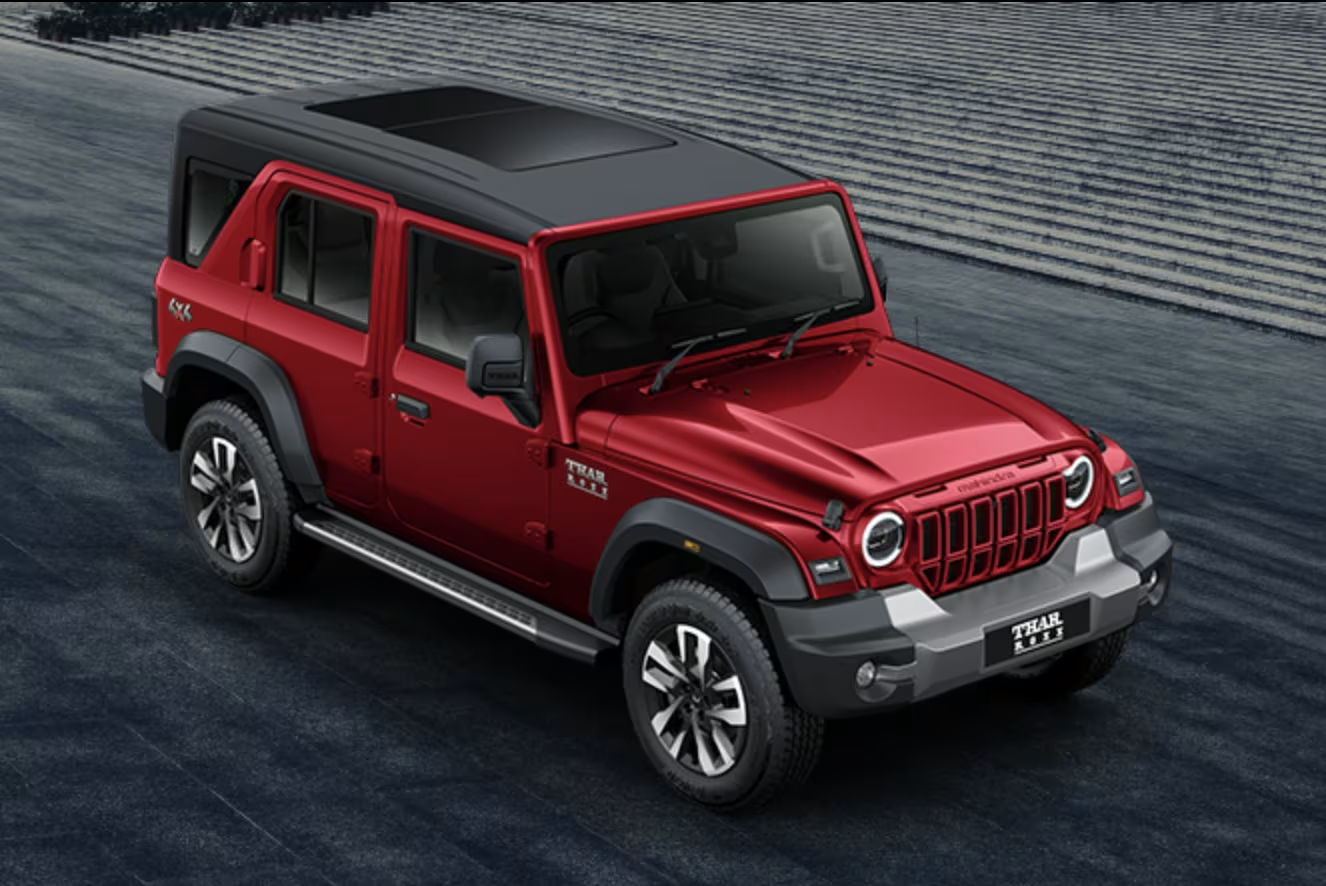
Take a look at how they've structured their lineup. If you want a compact city car but hate low-slung hatchbacks, you can get the XUV 3XO for the price of a mid-spec Swift, yet you get way more safety tech and cabin width. If you want to look like a politician on a mission, the Scorpio Classic and Scorpio-N are waiting. For those who want to escape the city every weekend, the Thar remains the default lifestyle choice. They've covered every single psychological need of the Indian car buyer (and honestly, it shows).
The Electric Shock: Enter XEV and BE Series
It isn't just about diesel-guzzling mHawk engines anymore. Mahindra is currently executing a massive transition into the electric era with their dedicated Born Electric platform. Models like the BE6, alongside the premium XEV 9S and 9e, are starting to hit Indian roads, proving that the brand can do high-tech minimalism just as well as they do rugged mechanicals.
We've seen other manufacturers struggle to make EVs appealing to traditional buyers who worry about range and battery life. Mahindra's strategy is different: they are making their EVs so futuristic and visually striking that people are buying them simply for the cool quotient, not just because they run on green energy. This dual-track strategy of selling highly successful internal combustion engines alongside cutting-edge EVs is why their sales graph is pointing straight to the moon.
Specs At A Glance
While individual model sales splits are still trickling in from dealerships, the overall numbers paint an incredibly clear picture of Mahindra's massive market footprint in June 2026.
Parameter | June 2025 Sales | June 2026 Sales | Year-on-Year Growth |
|---|---|---|---|
Domestic Passenger Vehicles | 47,306 units | 60,393 units | 27.66% |
Primary Drive Configurations | FWD, RWD, and 4WD/AWD | FWD, RWD, and 4WD/AWD | Steady Demand |
Key Fuel Options | Petrol, Diesel, and Electric (EV) | Petrol, Diesel, and Electric (EV) | EV Share Rising |
Major Plant Location | Chakan, Maharashtra | Chakan, Maharashtra | Expanded Capacity |
How Does It Stack Up Against The Competition?
Let's look at Tata Motors. They've been fighting tooth and nail with the Nexon and Harrier, but their reliance on smaller engines and occasional software niggles has pushed some buyers toward Mahindra's larger, more robust offerings. While Tata's EV game is strong, Mahindra's fresh BE series is starting to chip away at that early-mover advantage.
Then you have Hyundai and Kia. The Creta remains a default, sensible choice for the urban family, but it simply can't match the sheer presence and ruggedness of a Scorpio-N or XUV 7XO. If you want a car that can handle broken village roads without breaking a sweat, you'll find yourself walking into a Mahindra showroom rather than buying a soft-roader from the competition.
The Good And The Not-So-Good
What We Like
- Unmatched road presence across the entire range, from 3XO to XUV 7XO
- Incredibly robust diesel and turbo-petrol engines that love highway cruising
- Massive safety focus with high crash test ratings across almost all new models
- The successful integration of high-tech EVs like the BE6 into their traditional lineup
What Could Be Better
- Waiting periods for popular variants can still stretch into several months
- Thirstier petrol engines mean you'll be visiting the fuel pump quite often
- The sheer size of these vehicles can make them a nightmare to park in tight city spots
Price & When You Can Buy It
Mahindra's lineup starts from around ₹7.49 lakh (ex-showroom) for the base XUV 3XO, making it highly accessible for first-time buyers. On the other end of the spectrum, the premium XEV electric models and top-tier XUV 7XO variants can push past the ₹26 lakh mark. If you are planning to book one, keep in mind that popular models still command a waiting period of two to six months depending on your city, though production capacity at their Chakan facility has been ramped up significantly to bring these numbers down.
Our Verdict
Here's the thing — Mahindra has cracked the code of what the modern Indian buyer actually values. They didn't do it by copying foreign trends or building soulless commuter cars. They did it by building tough, aspirational vehicles that make you feel like you've truly arrived in life when you park one in your driveway. If they can somehow fix their long waiting periods and ensure their new electric vehicles remain glitch-free, this sales growth is only going to get crazier in the coming months.