What's The Big News?
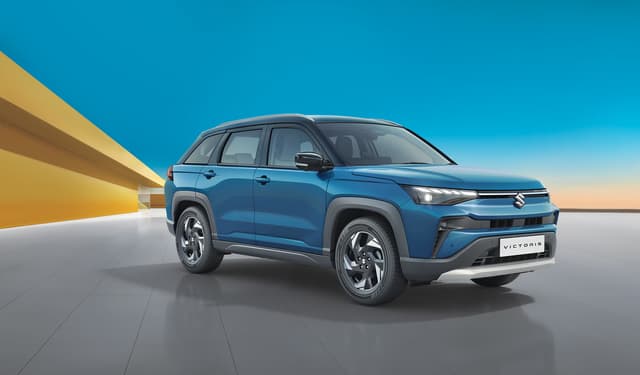
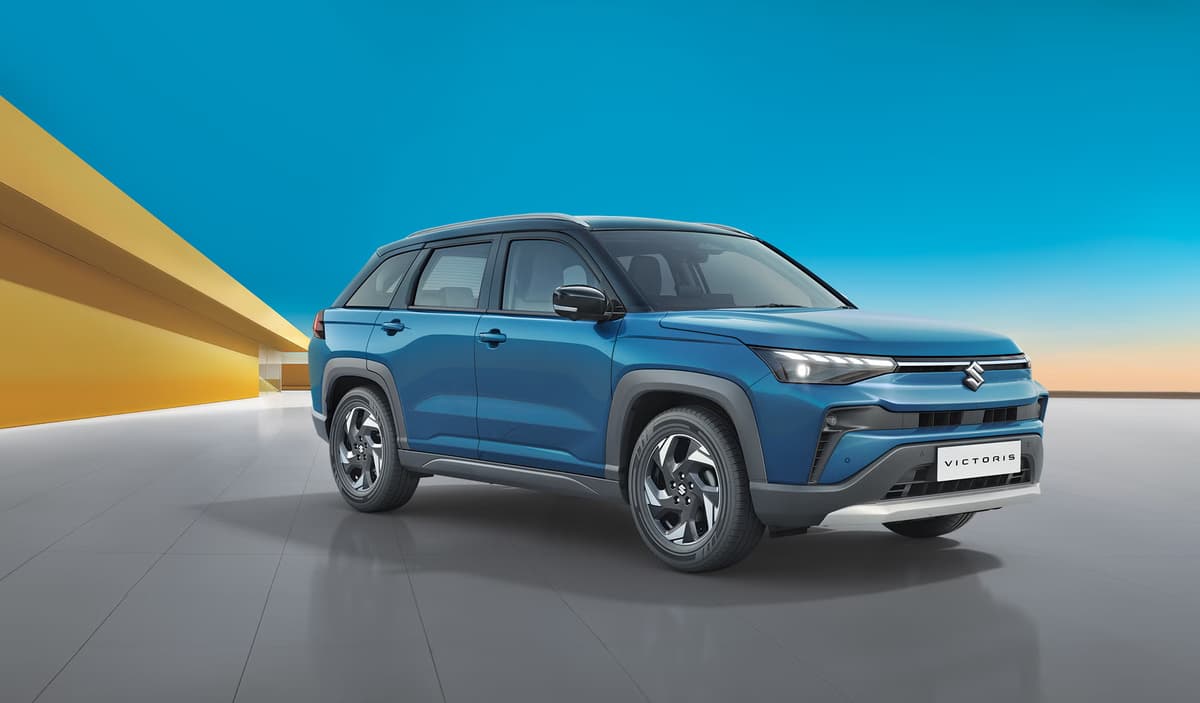
Alright folks, it’s been a long ride, literally! We’ve finally wrapped up our extended long-term test with the Maruti Suzuki Victoris. Remember all the buzz when this car first hit the showrooms? Everyone was wondering if Maruti could once again redefine the segment it was entering, or if it was just another mild refresh in a new wrapper. Well, we took it, drove it through city traffic, hit the highways, loaded it up, and basically lived with it for several months to give you the real picture.
You see, for us Indian buyers, a car isn't just a machine; it’s an investment, a family member, and a daily workhorse. We don’t just buy a car for its looks or the fancy features it promises on paper. We want to know if it’ll stand the test of time, if it’s cheap to run, and if it’ll keep us smiling without breaking the bank. That’s exactly what we set out to uncover with the Victoris, away from all the launch day hype and marketing spiel.
Performance & Fuel Efficiency: The Maruti DNA
Let’s cut straight to the chase: how does it drive? Our Victoris came with the familiar K-series petrol engine, mated to a 5-speed manual gearbox (though an AMT option is also available). In the city, this setup is a gem. The engine is smooth, responsive enough for bumper-to-bumper traffic, and doesn't feel strained when you need to make a quick dash. The clutch is light, and gear shifts are typically Maruti – slick and precise. This makes daily commutes in places like Delhi or Bangalore a lot less painful, trust me.
Out on the highway, it’s a different story, but not necessarily a bad one. Cruising at 80-100 kmph is comfortable, but push it beyond that, and you start feeling the engine strain a bit. Overtakes require careful planning, especially if you’re fully loaded. But honestly, where the Victoris truly shines is its fuel efficiency. We consistently managed to squeeze out around 18-19 kmpl in mixed driving conditions, and on pure highway runs, we even touched 22 kmpl (yes, really!). That’s better than what many rivals offer, and a huge relief for your wallet, especially with today's petrol prices.
Comfort, Features, & Practicality: Living The Daily Grind
Step inside, and it’s a familiar Maruti affair. The dashboard layout is clean and functional, though it won’t win any design awards for flair. We loved the comfortable front seats; they offer decent support for long journeys. Rear seat space is ample for two adults and a child, but three abreast will be a squeeze, especially on longer trips. Headroom and legroom are par for the course in this segment, not class-leading, but certainly not cramped.
In terms of features, our mid-spec Victoris had all the essentials: a touchscreen infotainment system with Apple CarPlay and Android Auto, automatic climate control, and power windows all around. The infotainment unit is intuitive and responsive, though the sound quality could be better. Boot space, at around 300 litres, swallowed our weekend luggage without much fuss, making it practical for small families. The AC chills the cabin quickly, which is a blessing during Indian summers, and honestly, it shows that Maruti understands what local buyers prioritize.
Specs At A Glance
Feature | Details |
|---|---|
Engine Type | K12N DualJet Petrol |
Displacement | 1197cc (expected) |
Power | ~89 bhp (expected) |
Torque | ~113 Nm (expected) |
Transmission | 5-speed Manual / AMT |
Seating Capacity | 5 adults |
Fuel Tank Capacity | ~37 litres (expected) |
Boot Space | ~300 litres (expected) |
Mileage (Claimed) | 20-24 kmpl (expected) |
Advertisement
How Does It Stack Up Against The Competition?
The Victoris positions itself in a crowded segment, going head-to-head with established players like the Tata Punch, Hyundai Exter, and even Maruti’s own Baleno and Swift. Compared to the Punch and Exter, the Victoris often feels a bit more refined in its engine performance, especially in terms of smoothness. However, the Tata and Hyundai often edge it out on perceived build quality and safety ratings, which is a growing concern for many Indian buyers. Maruti has definitely improved on the feature front, matching most rivals in terms of connectivity and convenience.
Against its own stablemates, the Victoris carves out its niche by offering a slightly more premium feel than the Swift, while perhaps being a more accessible option than the Baleno for those looking for a slightly different design language. Where it consistently wins is the famous Maruti reliability and incredibly widespread service network. You can find a Maruti service centre practically anywhere, from a bustling metro to a small town, and that's a huge peace of mind for buyers across India.
The Good And The Not-So-Good
What We Like
- Exceptional Fuel Efficiency: Consistently delivers impressive mileage, keeping running costs low.
- Smooth & Refined Engine: Great for city driving, with light controls and easy maneuverability.
- Maruti’s Reliability: Zero breakdowns or major issues during our long-term test, as expected.
- Widespread Service Network: Easy access to service and spare parts across the country.
- Practical Cabin: Decent space for a small family, intuitive infotainment, and good AC.
What Could Be Better
- Highway Performance: Lacks punch for quick overtakes at higher speeds.
- Build Quality Perception: While practical, the interior plastics could feel a bit more premium.
- Safety Features: Needs more active and passive safety features as standard across variants.
- Road Noise: Cabin insulation could be improved to filter out more road and wind noise.
Price & When You Can Buy It
Pricing for the Maruti Suzuki Victoris is already out, positioning it squarely in the competitive hatchback/compact crossover segment. While exact figures vary by variant and location, you can expect the Victoris to range from around ₹6.5 lakh for the base model, climbing up to about ₹9.5 lakh (ex-showroom) for the top-spec AMT variant. It's a price point that puts it right in the thick of things, offering a compelling package for the money.
It’s available across all Maruti Suzuki Arena dealerships nationwide right now, so if you’re interested, you can walk into your nearest showroom for a test drive today. They often have attractive finance schemes and exchange offers too, so it’s worth checking out.
Our Verdict
After putting the Maruti Suzuki Victoris through its paces for months, living with its quirks and appreciating its strengths, what's the final take? Honestly, the Victoris is a quintessential Maruti. It’s not flashy, it won’t blow you away with cutting-edge tech or blistering performance, but it’s incredibly honest and dependable. It delivers on its promise of being a reliable, fuel-efficient, and practical family car that won't give you headaches. Here's the thing — for the buyer who prioritizes low running costs, peace of mind, and fuss-free ownership over outright performance or luxury, the Victoris is an excellent choice. It’s a car that truly understands and caters to the Indian middle-class buyer, and for that, it deserves a solid recommendation from us.