What's The Big News?
Alright, folks, listen up! If you're eyeing a new family car that doesn't drink petrol like a fish, this news is for you. We're hearing strong whispers from the industry — Hyundai, Kia, and Renault are all gearing up to launch brand-new 7-seater hybrid vehicles in India. This isn't just a rumour; it's a clear signal that the manufacturers are finally catching on to what Indian buyers really want: space, practicality, and importantly, fuel efficiency.
For years, bigger cars meant bigger fuel bills, right? But with hybrid tech getting more refined and accessible, that's changing. These upcoming models aren't just about adding an extra row; they're about offering a smarter, more economical way to move your entire crew. It's a game-changer for anyone who's been holding out for a proper family car that won't break the bank at the fuel pump.
India's Growing Appetite for 7-Seaters: Hybrids Make Sense
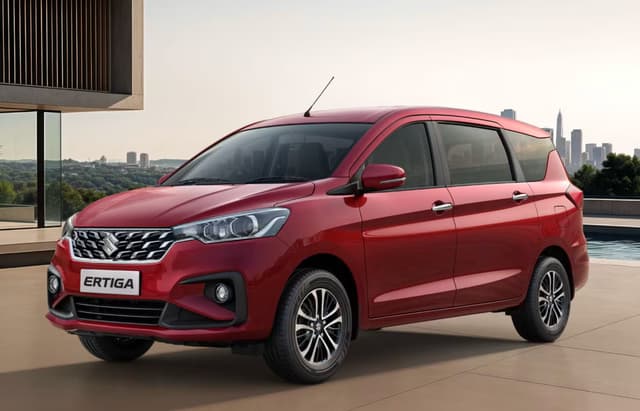
Look, we all know India loves a good 7-seater. Whether it's for joint families, weekend trips with friends, or just needing that extra flexibility, vehicles like the Ertiga, Innova, and even the XUV700 have cemented their place. But here's the thing — the running costs, especially with rising fuel prices, can be a real pinch. This is where hybrid technology steps in like a superhero.
Imagine having the space of a multi-seater but with fuel economy figures that would make a smaller hatchback blush. That's the promise of these upcoming hybrids. They're designed to offer the best of both worlds: robust performance for our diverse road conditions and significantly lower emissions and running costs. It’s about time manufacturers started bringing this kind of smart engineering to the masses in this segment, especially when the alternatives are either pricey diesels or thirsty petrol engines.
What to Expect from Hyundai, Kia, and Renault
Let's talk about the players here. Hyundai and Kia, as always, are usually quick to react to market trends, and their upcoming 7-seater hybrids are expected to be built on robust, globally proven platforms. We could see a stretched version of an existing compact SUV, or perhaps an entirely new MPV-style vehicle, focusing on comfort and smart features – something their respective current lineups already excel at. You can bet they'll pack it with tech and a premium feel, better than what Maruti gives you at this price.
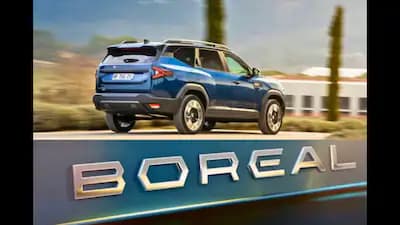
Renault, on the other hand, has a reputation for delivering great value. Their entry into this segment with a hybrid 7-seater could be a very aggressive play, potentially targeting a more budget-conscious audience while still offering that crucial fuel efficiency. They might leverage their global hybrid powertrains, adapting them for the Indian market. It’s an interesting prospect, as they could shake things up quite a bit, much like the Kwid and Triber did in their segments. We’re expecting strong focus on practicality and robust build from all three, but with their individual brand DNA shining through.
Specs At A Glance
Feature | Hyundai 7-Seater Hybrid (Expected) | Kia 7-Seater Hybrid (Expected) | Renault 7-Seater Hybrid (Expected) |
|---|---|---|---|
Seating Capacity | 7 Passengers | 7 Passengers | 7 Passengers |
Engine Type | Strong Hybrid (Petrol + Electric) | Strong Hybrid (Petrol + Electric) | Strong Hybrid (Petrol + Electric) |
Expected Powertrain | TBA (likely 1.5L or 2.0L equivalent) | TBA (likely 1.5L or 2.0L equivalent) | TBA (likely 1.2L or 1.6L equivalent) |
Transmission | Automatic (e-CVT or similar) | Automatic (e-CVT or similar) | Automatic (e-CVT or similar) |
Key Features | Advanced Infotainment, ADAS (expected on top trims), Ventilated Seats | Premium Interior, Latest Connectivity, Safety Pack | Practical Design, Robust Build, Essential Features |
Market Positioning | Mid-size Hybrid MPV/SUV | Mid-size Hybrid MPV/SUV | Compact Hybrid MPV/SUV |
How Does It Stack Up Against The Competition?
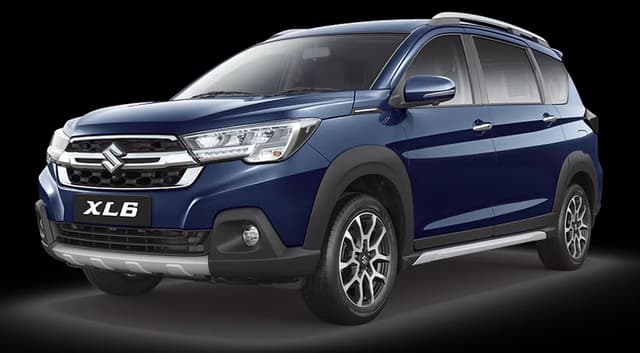
Right now, if you want a true 7-seater hybrid, your main serious option is the Toyota Innova Hycross. It's fantastic, but let's be honest, it's also got a premium price tag. Then you have mild-hybrids like the Maruti Ertiga and XL6, which offer some benefit but aren't in the same league as a full strong hybrid. These new entrants from Hyundai, Kia, and Renault are expected to slot in below the Hycross, aiming to democratize the strong hybrid experience for a wider audience.
They'll likely compete with the petrol versions of cars like the Mahindra XUV700, Tata Safari, and maybe even higher variants of the Maruti Grand Vitara (which is a 5-seater hybrid, but sets a benchmark for hybrid efficiency). The real differentiator will be their ability to offer competitive space, features, and crucially, significantly better real-world fuel economy than non-hybrid rivals. If they can nail that balance, they'll carve out a serious niche for themselves. It's going to be a tough fight, but the consumer will definitely win here.
The Good And The Not-So-Good
What We Like
- Exceptional Fuel Efficiency: This is the big one. Significant savings on running costs.
- Reduced Emissions: Better for the environment, especially in city traffic.
- Spacious Interiors: All three brands are known for smart packaging, so expect comfortable 7-seater layouts.
- Smooth Driving Experience: Hybrid powertrains often deliver refined, quiet urban commutes.
- Modern Features: Expect plenty of tech and safety features, especially from Hyundai and Kia.
What Could Be Better
- Initial Cost: Hybrids generally cost more upfront than their petrol-only counterparts.
- Complexity: More components mean potentially more to maintain down the line, though modern hybrids are quite reliable.
- Availability: Specific launch timelines are still under wraps, so the wait might be a bit long.
Price & When You Can Buy It
Alright, the million-dollar question: how much and when? While official figures are yet to be revealed, we can make some educated guesses. Given their expected positioning, Hyundai and Kia's 7-seater hybrids are likely to fall in the ₹18–28 lakh (ex-showroom) range, depending on variants and features. Renault's offering, true to their style, might be a bit more accessible, potentially starting a few lakhs lower.
As for availability, don't hold your breath just yet. While the news is out, these models are still in various stages of development or testing for the Indian market. We're expecting formal announcements and perhaps concept reveals towards late 2024 or early 2025, with actual launches following sometime in 2025. It's a waiting game, but one that promises to be worth it for budget-conscious families.
Our Verdict
Honestly, this move by Hyundai, Kia, and Renault is exactly what the Indian market needs. We've been clamoring for more fuel-efficient options in the 7-seater segment for ages, and strong hybrids are the answer. It’s not just about saving money on petrol; it’s about having a guilt-free driving experience with your entire family, knowing you're doing your bit for the environment without compromising on space or practicality. In my opinion, these upcoming 7-seater hybrids could fundamentally change how families in India think about their next big car purchase. They're going to be disruptors, pure and simple. Get ready for some serious competition!