What's The Big News?
Tata's dropped another big hint for the Sierra EV, and believe me, it's got everyone talking. They've just confirmed the new electric SUV will come with an all-wheel-drive (AWD) system, which Tata's calling 'QWD'. This isn't just for show, folks; it means serious capability for a vehicle that's set to become their electric flagship.
We've been waiting for this one, and seeing Tata put proper AWD into their top-tier EV, similar to the harrier-ev">Harrier EV's setup with front and rear electric motors, is a massive statement. It tells you they're not messing around. This isn't just another urban EV; it's built for more than just city commutes, aiming to tackle whatever our varied Indian roads throw at it.
AWD Powerhouse: What "QWD" Really Means
Alright, let's talk about this 'QWD' system. What it boils down to is a dual-motor setup – one electric motor powering the front wheels, and another doing the same for the rear. This isn't some fancy marketing jargon; it's proper all-wheel-drive capability, just like you'd find in a robust SUV.
What that means for you, the driver, is significantly better traction, improved stability in tricky conditions – think monsoon-soaked roads, loose gravel patches, or even some light off-roading on the way to a weekend getaway. It also translates to potentially quicker and more confident acceleration off the line. We've seen similar tech teased for the Harrier EV, and bringing that kind of robust system to the Sierra EV makes perfect sense for a vehicle that’s meant to be a flagship. It gives you confidence, especially when you're trying to navigate that surprise pothole or climb a slightly steep, gravelly patch. Most EVs at this expected price point only offer front-wheel drive, so this is a significant leg up.
Iconic Design Meets Modern EV Tech
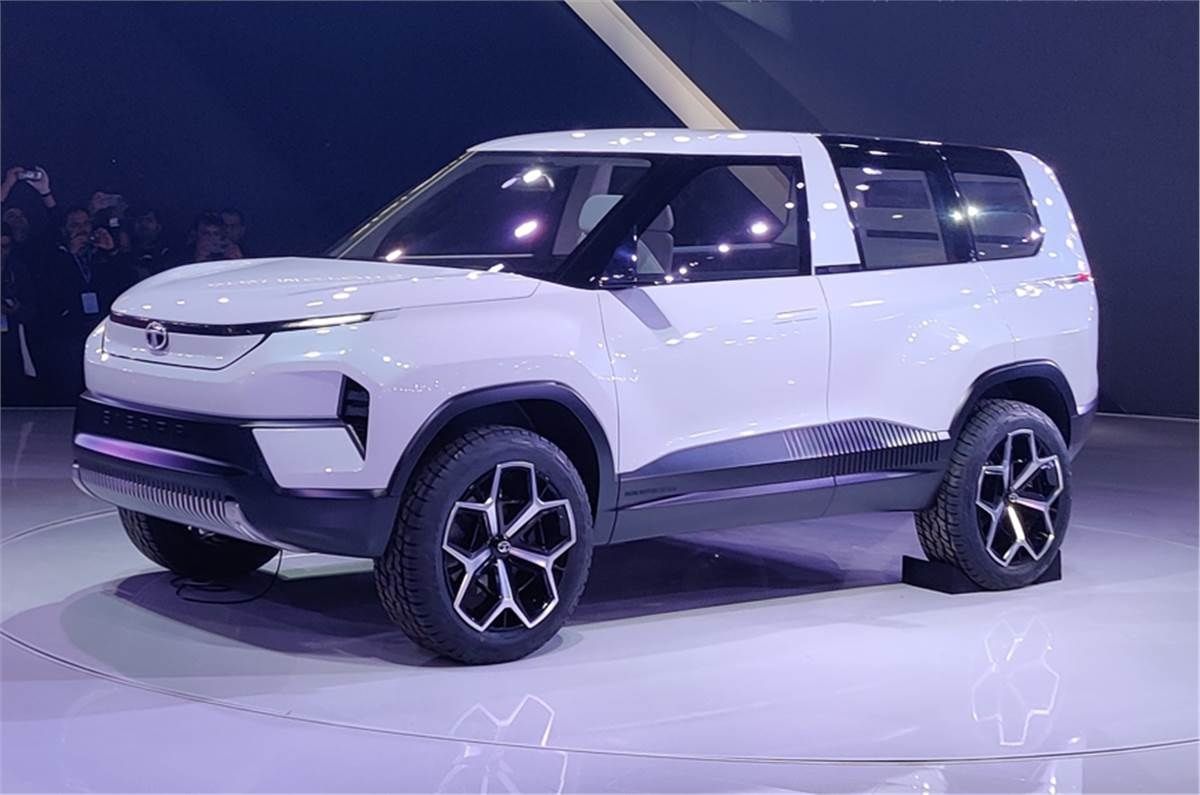
Beyond the grunt, the Sierra nameplate itself carries a lot of weight in India. People remember the original Sierra for its distinct styling, commanding road presence, and that iconic three-door layout. The EV version, from what we've seen in earlier teasers and concepts, is clearly taking inspiration from that classic silhouette but blending it seamlessly with Tata's modern 'Impact 2.0' design language.
Expect that signature upright stance, prominent wheel arches, and a cabin that looks ready for the future with premium materials and advanced infotainment. Marrying that classic appeal with cutting-edge electric architecture, including this robust AWD, is a smart move. It taps into nostalgia while offering something truly futuristic. It's a combination that's bound to turn heads, and honestly, it shows Tata isn't just making another EV; they're trying to create a legend that resonates with buyers who appreciate both heritage and innovation.
Specs At A Glance
Feature | Detail |
|---|---|
Drivetrain | All-Wheel Drive (AWD / QWD) |
Motor Setup | Dual Electric Motors (Front & Rear) |
Debut Date | June 30 |
Expected Range | TBA |
Battery Capacity | TBA |
Power Output | TBA |
How Does It Stack Up Against The Competition?
When you look at the current EV SUV landscape in India, the Sierra EV with confirmed AWD capability is playing a different game. Most of its expected rivals, like the MG ZS EV or the Hyundai Kona Electric, stick to a front-wheel-drive setup. Even Mahindra's XUV400 is FWD, focusing more on city driving and accessible pricing.
This puts the Sierra EV in a unique position, offering a level of versatility and confidence that others don't. For someone living in a hilly region, or frequently travelling to places with unpredictable roads and varied terrain, this AWD system isn't just a premium feature; it's a practical necessity. It truly sets it apart from the current crop and positions it against future, more premium offerings from other brands that might also consider AWD, making it a pioneer in its segment for capability.
The Good And The Not-So-Good
What We Like
- Confirmed AWD (QWD) for superior traction and stability.
- Dual-motor setup promises strong performance and capability.
- Carries the iconic Sierra nameplate and expected design cues.
- Positions Tata as a serious player in the premium EV SUV segment.
- Debut date confirmed, so the wait isn't indefinite.
What Could Be Better
- Specific power, range, and battery details are still under wraps.
- Pricing will be critical; AWD might push it into a higher bracket than many expect.
- The wait until June 30 for full details feels long for eager enthusiasts!
- Competition will be fierce from upcoming global players entering the premium EV space.
Price & When You Can Buy It
The big reveal for the Tata Sierra EV is set for June 30. That's when we expect all the juicy details – full specs, official range figures, and hopefully, a clearer picture on the variants. Pricing, however, usually gets announced closer to the actual market launch.
Given its flagship status and the inclusion of advanced tech like AWD, we're expecting it to be positioned as a premium offering in Tata’s EV portfolio. It's safe to say it won't be priced like a nexon-ev">Nexon EV. While official figures are yet to be revealed, don't be surprised if it ventures into the ₹25-30 lakh range, or even higher for top trims, depending on battery size and features. The market launch will likely follow a few months after the debut, probably later this year or early next year.
Our Verdict
The Tata Sierra EV, with its confirmed AWD setup, is shaping up to be more than just another electric SUV; it's a statement. Tata is clearly aiming for the top, combining the emotional pull of the Sierra name with cutting-edge EV technology. This isn't just about going green; it's about offering a practical, capable, and desirable package for the Indian buyer who wants it all – heritage, modernity, and serious functionality.
Honestly, seeing Tata push the envelope with features like AWD on an EV is a fantastic sign for the Indian market. It means more choice, more capability, and ultimately, better cars for us. If they nail the pricing and deliver on the promise of the teasers, the Sierra EV could very well become a benchmark in the segment. Now, let's just wait for June 30!