What's The Big News?
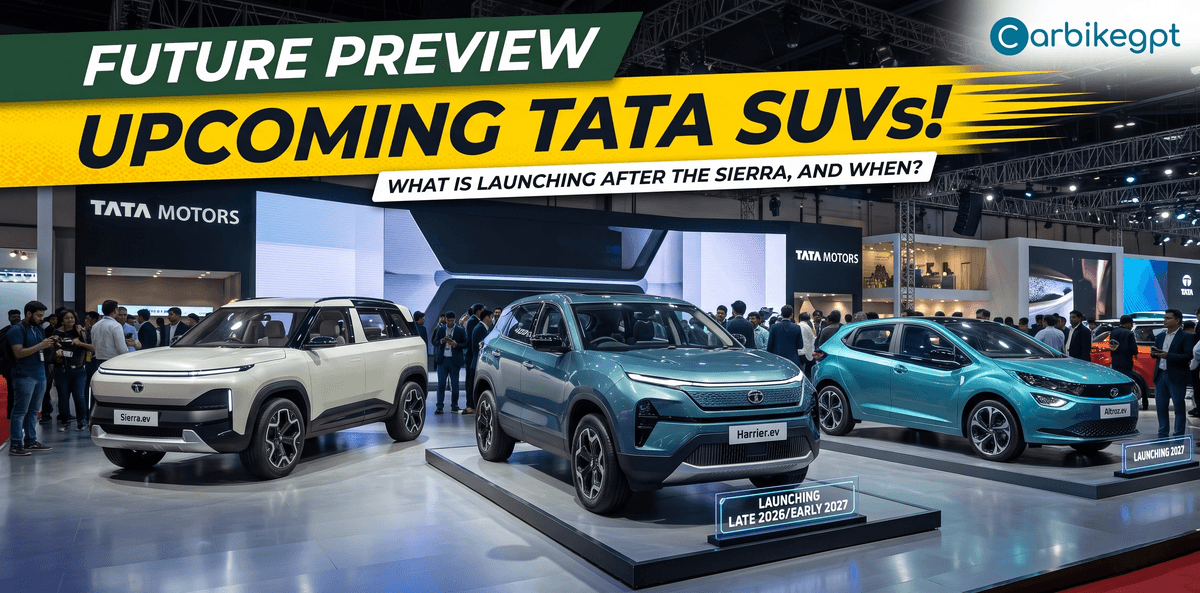
Alright, folks, grab a chai because Tata Motors isn't just playing in the SUV segment anymore; they're coming to dominate it. We've just heard whispers turning into roars about four — yes, four — all-new Tata SUVs that are slated to hit our roads soon. This isn't just a facelift parade; we're talking about genuinely new models or significant, ground-up redesigns that promise to shake up nearly every segment.
For the Indian enthusiast who scrutinizes every spec sheet and plans their purchase years in advance, this is massive. Tata's clearly got a long-term vision, blending their proven ICE strengths with an aggressive push into the electric future. It's an exciting time to be an Indian car buyer, and honestly, Tata wants a big piece of your wallet.
Tata's Ambitious Line-Up: From ICE to Electric Future
Look, Tata's strategy is clear: cover all bases. This upcoming quartet isn't confined to a single segment or powertrain. We're talking about a comprehensive assault, starting from a fresh take on their segment-defining compact SUV, moving towards stylish coupe SUVs, and then rocketing into the pure electric space with premium offerings. It’s a full spectrum attack, ensuring there's a Tata SUV for almost every need and budget.
First up, expect a thoroughly revised Nexon. While the current one still sells like hot cakes, Tata isn't resting. This next iteration isn't just cosmetic; it's expected to feature substantial changes under the skin and a radically fresh design, keeping it ahead of the game. Then there's the production version of the Curvv, a stunning coupe SUV that's been turning heads since its concept reveal. This one’s interesting because it’s planned for both ICE and EV powertrains, giving buyers flexibility. Moving up, the much-anticipated harrier-ev">Harrier EV is finally on its way, promising a proper long-range electric SUV built on the robust OMEGA Arc platform. And topping it all, the futuristic Avinya – a premium EV built on a dedicated Gen 3 electric platform, showcasing Tata’s vision for high-end electric mobility. (yes, really, they're going all out).
Design & Tech Leap: What Buyers Can Expect
One thing Tata has consistently nailed recently is design. Their 'Impact Design' philosophy has given us some seriously good-looking vehicles, and these new SUVs are set to push that boundary even further. Expect sharper lines, more aerodynamic profiles, and interiors that feel a notch above what you'd typically expect at their respective price points. They’re not just chasing global trends; they’re often setting them for the Indian market.
Beyond aesthetics, the tech inside is where Tata is making significant strides. We’re talking about advanced infotainment systems, connected car tech that actually works, and crucial safety features like ADAS (Advanced Driver-Assistance Systems) becoming more mainstream across their portfolio. This is Tata actively listening to what Indian buyers want – features that offer convenience, connectivity, and most importantly, peace of mind on our often-unpredictable roads. Honestly, Tata is setting a benchmark for design and tech integration in the mass market segment.
Specs At A Glance
Model | Segment | Expected Powertrain | Key Feature (Known/Expected) |
|---|---|---|---|
New Nexon | Compact SUV | ICE (Petrol/Diesel), EV | Major Design Overhaul, Feature Updates |
Curvv | Mid-size Coupe SUV | ICE (Petrol), EV | Unique Coupe Styling, Dual Powertrain Option |
Harrier EV | Mid-size SUV | Pure EV | OMEGA Arc Platform, Long Range Battery |
Avinya | Premium EV | Pure EV (Gen 3 Platform) | Skateboard Architecture, Futuristic Design |
Advertisement
How Does It Stack Up Against The Competition?
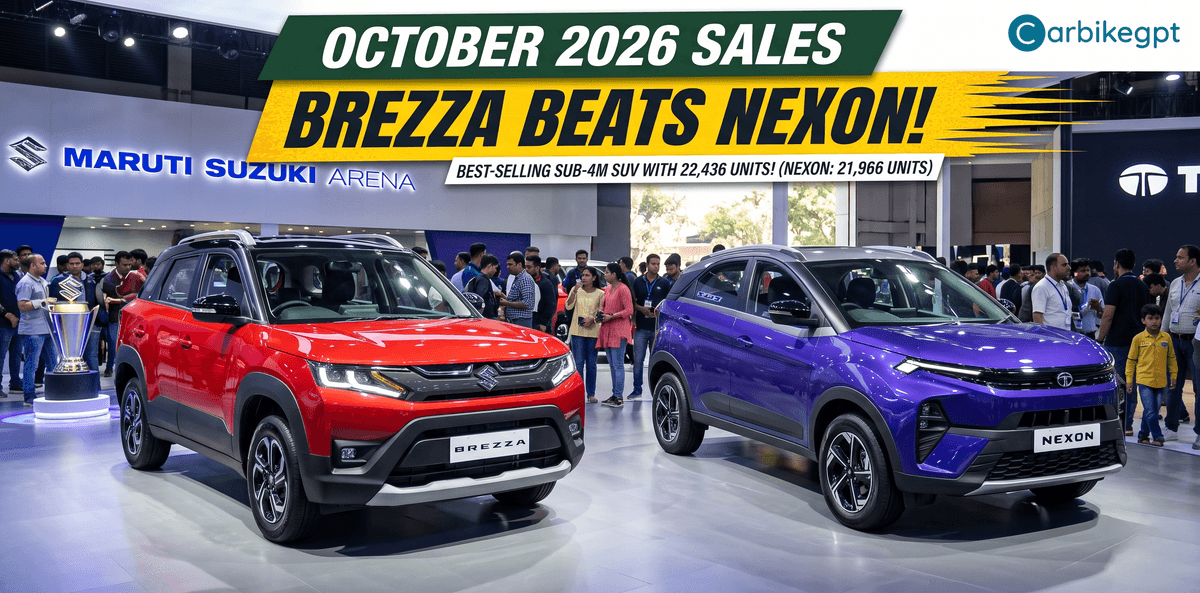
Each of these new Tata SUVs is poised to challenge established players and even create new niches. The refreshed Nexon will continue its fierce battle against the Maruti Brezza, Hyundai Venue, and Kia Sonet. It needs to bring even more to the table to maintain its lead, especially with new entrants popping up. If Tata ups its game on refinement and features, it’ll be tough to beat.
The Curvv, with its unique coupe-SUV styling, will carve out a space between the compact and mid-size SUV segments. It’ll potentially eye buyers considering the Hyundai Creta, Kia Seltos, or even the Maruti Grand Vitara, but wanting something more distinctive. As for the Harrier EV, it's a direct contender for upcoming electric SUVs like the Mahindra XUV.e8 or even the MG Hector EV, once they hit the market. It leverages the Harrier’s strong presence and rugged appeal, now with zero emissions.
The Avinya, however, is playing a different game altogether. It’s a premium, dedicated EV that aims to disrupt the likes of the MG ZS EV or Hyundai Kona Electric, but with a more sophisticated, potentially larger, and range-focused approach. It’s Tata laying down a marker for its long-term EV ambitions, offering something genuinely cutting-edge for the discerning buyer.
The Good And The Not-So-Good
What We Like
- Aggressive Product Roadmap: Four new SUVs show serious intent and investment.
- Balanced Approach: Catering to both traditional ICE and rapidly growing EV markets.
- Evolving Design Language: Tata's cars are consistently some of the best-looking in their segments.
- Focus on Safety & Tech: Expect high safety ratings and up-to-date features.
- Indian-centric Development: Designed with local conditions and preferences in mind.
What Could Be Better
- Pricing Strategy: While competitive, final pricing will be critical for success, especially for the premium EVs.
- Service Network Consistency: Tata's after-sales experience can be hit or miss; improvements are always welcome.
- Launch Timelines: Keeping customers waiting too long can build anticipation but also frustration.
- Initial Niggles: Historically, some new Tata models have had minor issues post-launch; hope these are ironed out.
Price & When You Can Buy It
Here’s the part everyone wants to know, and the part where I have to be brutally honest: official pricing for these four new Tata SUVs hasn’t been announced yet. Naturally, each model will have its own price bracket depending on its segment and features. We expect the new Nexon to remain competitive in the sub-₹10 lakh to ₹15 lakh range, while the Curvv will likely slot into the ₹12-₹20 lakh bracket.
The Harrier EV could command anywhere from ₹20 lakh to ₹30 lakh, given its size and electric powertrain. The Avinya, being a premium, dedicated EV, will likely sit above ₹30 lakh, potentially much higher depending on its final specifications and battery range. As for launch dates, these will be staggered, with specific timelines announced closer to each vehicle’s official unveiling. Keep an eye on CarBikeGPT.com; you'll hear it from us first!
Our Verdict
This quartet of new SUVs from Tata isn't just about expanding their lineup; it's about solidifying their position as a true automotive powerhouse in India. They're showing us that they're not afraid to innovate, take risks with design, and push the boundaries of technology, all while keeping Indian buyers at the core of their strategy. Each of these models has the potential to be a segment leader, or at the very least, a serious challenger.
Here's the thing — Tata isn't just building cars anymore; they're building an ecosystem, and these four SUVs are critical pillars for their future dominance. If they get the pricing right and ensure a flawless ownership experience, then the competition truly has something to worry about. For you, the buyer, it means more choice, more tech, and more reasons to consider a 'Made in India' champion for your next ride. I'm genuinely excited to get behind the wheel of these when they arrive!