What's The Big News?
Big news coming out of JSW MG Motor India. They're planning a major push to use more locally made components in their cars. We're talking about shooting for 70% localisation across their entire range, including both their petrol (ICE) and electric vehicles. That's a bold move.
Why should you care? More local parts *could* mean better prices, quicker part availability, and a boost for Indian manufacturing. It's a win-win, if they pull it off right. This also signals JSW's serious long-term commitment to the Indian market after their recent partnership with MG.
What Does 70% Localisation Actually Mean?
Seventy percent localisation is a pretty significant number. It means a large chunk of the parts that go into making an MG car – things like the engine components, electronics, interior plastics, and even the steel – will be sourced from Indian suppliers. This doesn't happen overnight. It requires investment in local manufacturing, building relationships with suppliers, and ensuring the quality meets MG's standards. But it's a huge step towards being a truly 'Indian' car brand.
The managing director, Anurag Mehrotra, mentioned board approval for further investment to achieve this. That suggests they're not just talking the talk; they're putting money where their mouth is. We're expecting this to be a phased approach, with different models reaching different levels of localisation over time.
Why Is MG Doing This Now?
Several factors are likely driving this decision. First, the Indian government is pushing for greater localisation in the auto sector through various policies and incentives. Second, it makes good business sense. Sourcing parts locally reduces costs (tariffs, shipping, etc.) and makes the supply chain more resilient (something everyone learned during the pandemic). Finally, it allows MG to be more competitive in the price-sensitive Indian market. Let's be honest, competing on price is essential here.
Also, with JSW now in the picture, they've got access to even more resources and expertise to accelerate this process. JSW's background in steel and manufacturing should give MG a real edge in sourcing high-quality components at competitive prices.
Specs At A Glance
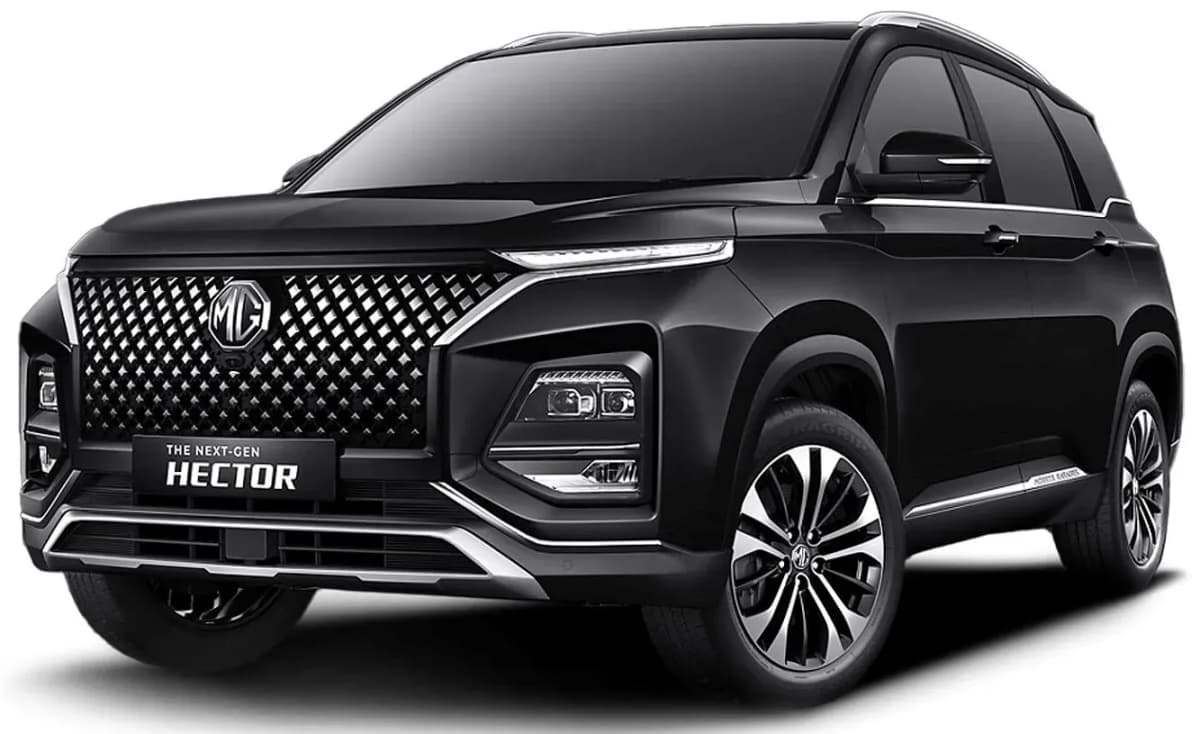
Since this announcement is about future plans, there aren't specific new specs to share. However, here's a general overview of MG's current lineup:
Model | Engine | Transmission | Fuel Type |
|---|---|---|---|
1.5L Turbo Petrol, 2.0L Diesel | 6-speed MT, CVT, DCT | Petrol, Diesel | |
1.5L Turbo Petrol, 2.0L Diesel | 6-speed MT, CVT, DCT | Petrol, Diesel | |
1.5L Petrol, 1.3L Turbo Petrol | 5-speed MT, CVT, 6-speed AT | Petrol | |
Electric Motor | Automatic | Electric | |
Electric Motor | Automatic | Electric |
How Does It Stack Up Against The Competition?
MG's rivals, like Tata Motors and Mahindra, already have a strong focus on localisation. Tata, in particular, has been very successful in developing and manufacturing cars in India. Mahindra also has a long history of building vehicles specifically for the Indian market. Maruti Suzuki, of course, has been doing it for decades. MG needs to play catch-up, and this 70% target is a good starting point.
If MG can achieve its localisation goals, it will be in a much better position to compete on price and offer features that are specifically tailored to Indian customers. They'll also be less vulnerable to supply chain disruptions and currency fluctuations. It's a long game, but it's the right strategy.
The Good And The Not-So-Good
What We Like
- Strong commitment to 'Make in India'
- Potential for lower prices and better value
- More resilient supply chain
- Boost for local manufacturing
What Could Be Better
- Need to maintain quality with local parts
- Ramp-up will take time
- Benefits to consumers aren't immediate
Price & When You Can Buy It
This announcement doesn't directly affect current prices. However, if MG successfully increases localisation, we can *expect* to see more competitive pricing in the future, especially on new models. There's no specific timeline for when the 70% localisation target will be achieved, but it's likely to be a multi-year process.
Our Verdict
MG's plan to significantly increase localisation is a positive step for the company and for the Indian auto industry. It shows they're serious about investing in India and competing in the long term. The proof, of course, will be in the pudding. Can they maintain quality while using more local parts? Can they pass on the cost savings to consumers? We'll be watching closely. Honestly, if they play their cards right, MG could become a major player in the Indian market.