What's The Big News?
If you thought recent top-level management shuffles at Bombay House would slow down Tata Motors' aggressive car launches, think again. The homegrown automaker has confirmed that its monumental ₹40,000 crore capital expenditure roadmap for the passenger vehicle and EV business remains entirely on track. There's no brake tapping here.
For anyone waiting on upcoming launches like the sierra-ev">Sierra EV or next-gen platform updates, this is reassuring news. However, there's a flip side for our wallets. Tata has also hinted that further price revisions across its showroom floors are likely on the horizon due to rising component costs and massive ongoing investments.
The ₹40,000 Crore War Chest: What Are We Actually Getting?
Let's break down where all this serious cash is heading. Over the next few years, Tata Motors isn't just giving cars mild cosmetic bumper tweaks; they are building out dedicated electric architectures, overhauling internal combustion engines to meet tighter emission norms, and securing supply chains for batteries. That ₹40,000 crore kitty covers everything from new factory tooling at the acquired Sanand facility to next-gen software platforms.
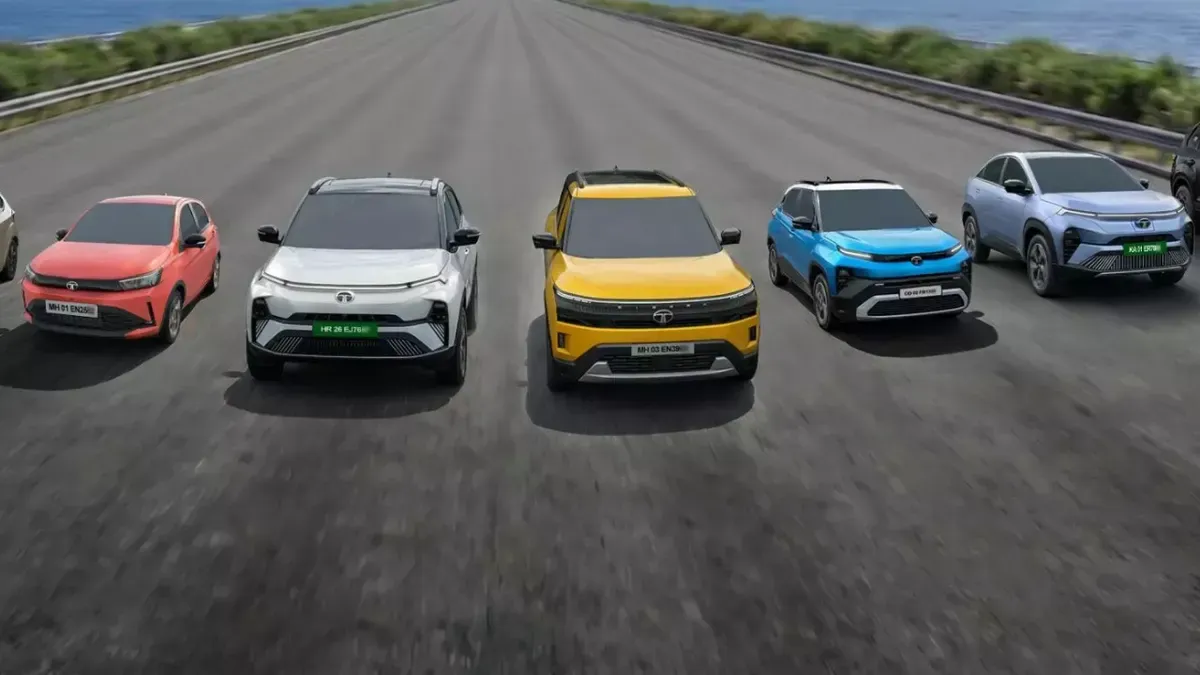
We already saw the start of this wave with the Curvv and Curvv EV, but the big guns are still in the pipeline. The upcoming Tata Sierra, the flagship Avinya platform, and heavily revised ICE powertrains are all funded right out of this war chest. If you've driven a Tata car from ten years ago versus one today, you know how radically their engineering has evolved (and honestly, it shows in their crash safety scores and design language).
Why Car Buyers Should Brace For Higher Price Tags
Building world-class safety architectures and high-density battery packs costs an absolute fortune. Tata Motors has managed to maintain competitive sticker prices against rivals like Maruti Suzuki and Hyundai for years, but absorbing high commodity costs while spending billions on R&D is getting tougher.
Industry watchers expect incremental price increases across popular nameplates such as the Nexon, Punch, Harrier, and Safari over the coming quarters. It won't be a sudden massive leap overnight that puts a car out of reach, but if you've been sitting on the fence about booking a Punch EV or a diesel Safari, waiting another six months could mean paying a few thousand rupees more on your ex-showroom invoice.
Specs At A Glance
Key Focus Area | Tata Motors Strategy / Detail |
|---|---|
Total PV & EV Investment | ₹40,000 Crore (Unchanged) |
Upcoming Key Launches | Tata Sierra (ICE & EV), Avinya EV Series, Harrier EV |
Manufacturing Expansion | Sanand Plant (Gujarat) & Existing Facilities |
Powertrain Focus | Multi-powertrain: Petrol, Diesel, CNG (iCNG), and pure EV |
Price Outlook | Marginal upward revisions expected across model portfolio |
How Does It Stack Up Against The Competition?
Tata's bold commitment keeps it running neck-and-neck in India's high-stakes automotive race. Maruti Suzuki is pouring big money into hybrid systems and its upcoming eVX electric SUV, but Tata still holds a massive first-mover advantage in the budget and midsize EV space. While Maruti relies on scale and high mileage to keep buyers happy, Tata is targeting buyers who want heavy road presence, digital cockpits, and solid five-star safety.
Then you have Mahindra, which is aggressively building its INGLO-based electric SUV lineup and holding strong command over traditional ladder-frame diesel SUVs. Hyundai, backed by its massive recent Indian IPO, is also ramping up localized EV production. By protecting its ₹40,000 crore budget without hesitation, Tata is ensuring it doesn't lose an inch of ground to Mahindra or Hyundai in the premium tech race.
The Good And The Not-So-Good
What We Like
- Unwavering commitment to next-gen EVs like the Sierra and Avinya architectures.
- Massive local investments mean better safety tech and premium features trickling down to affordable cars.
- Fast-paced factory upgrades to reduce waiting periods on popular models.
- Strong multi-fuel strategy ensuring petrol, diesel, and twin-cylinder CNG cars aren't left behind.
What Could Be Better
- Upcoming price hikes will make top-spec variants even more expensive for budget-conscious family buyers.
- Service center consistency and electronic software glitches still need as much attention as new metal.
Price & When You Can Buy It
Current Tata cars remain available at existing showroom prices across India, but industry insiders suggest small price revisions could roll out in phases across the lineup soon. If you're eyeing upcoming products like the Harrier EV or the production-ready Sierra, expect official launch timelines and confirmed pricing to start dropping in late 2024 and through 2025.
Our Verdict
Here's the thing — automotive transitions are expensive, and Indian car buyers are getting smarter by the day. Nobody wants stripped-down hatchbacks when they can stretch their budget for a feature-loaded compact SUV that protects their family. Tata Motors doubling down on its ₹40,000 crore commitment proves they're playing the long game to dominate both electric and combustion segments. While price hikes are never fun to swallow, the wave of new cars and tech heading to our roads over the next couple of years should make the extra spend well worth it.