What's The Big News?
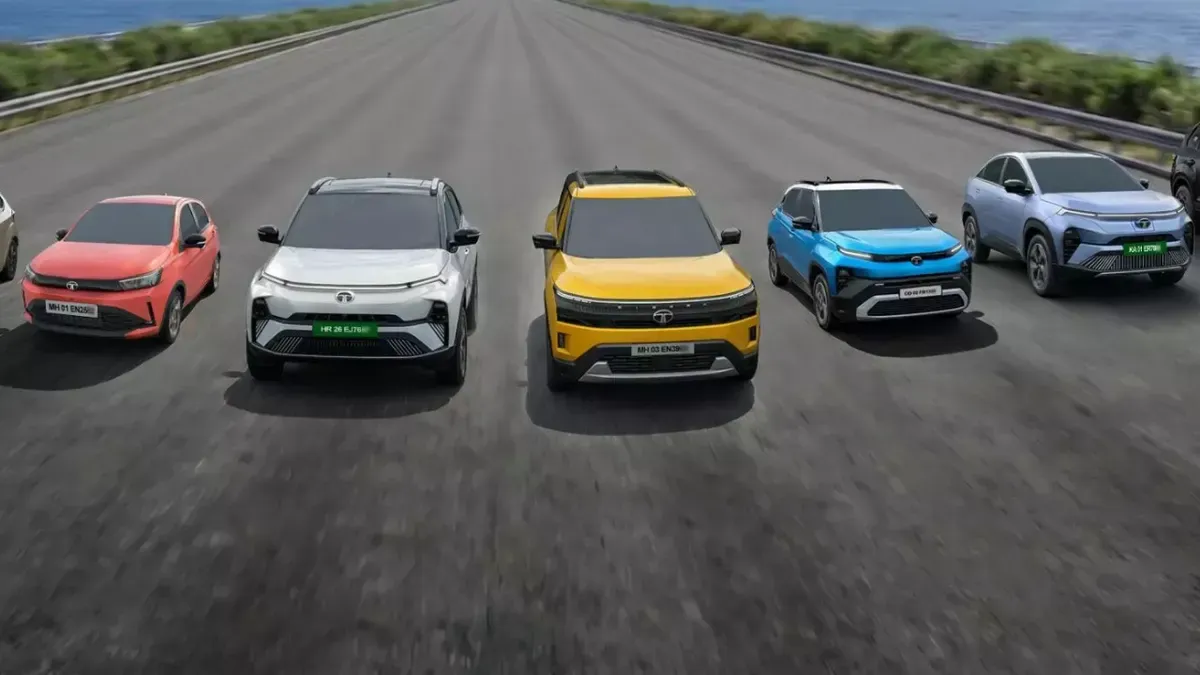
If you've been keeping an eye on market headlines today, you probably noticed Tata Motors Passenger Vehicles making serious waves on stock tickers. Analysts are keeping a sharp eye on the brand, and for good reason. From dominating the budget electric vehicle space to giving tough competition to traditional market leaders, the Indian carmaker is currently operating on full cylinders.
Whether you're looking to park your hard-earned money in their stock or park a shiny new Nexon in your garage, this sudden surge in attention isn't just random noise. The company has steadily built a solid wall of SUVs that Indian buyers simply can't seem to get enough of these days.
Why Dalal Street Is Obsessed With Tata's Passenger Vehicle Arm
Let's talk about how we got here. A decade ago, buying a Tata car was often met with raised eyebrows at family dinners. Fast forward to today, and the brand is locking horns directly with Hyundai for the number two spot in Indian passenger vehicle sales. They transformed their design language completely, and safety became their biggest selling point. Remember when buying a five-star safety-rated car meant spending big luxury money? Tata changed that game completely, making robust builds available for the price of a mid-spec Swift.
Their multi-powertrain strategy is hitting the sweet spot. You want petrol? They have it. Want CNG without sacrificing your boot space? Their twin-cylinder tech solved that headache (and honestly, it shows in their sales numbers). Want to jump straight into the electric future? They hold over seventy percent of the Indian market share. Investors love a brand that doesn't put all its eggs in one basket, and right now, Tata's basket is packed with versatile options.
EV Leadership And The Next-Gen Product Pipeline
Electric mobility is where the real excitement lives. While rivals were playing wait-and-watch, Tata launched the Nexon EV, tiago-ev">Tiago EV, and punch-ev">Punch EV, practically creating the affordable EV market from scratch. Sure, competitors are trying to catch up now (about time, Maruti), but being the first mover gave Tata massive brand equity among early adopters.
The arrival of new coupe-SUVs like the Curvv and upcoming grounds-up EV platforms shows they aren't resting on their laurels. Expanding their dedicated EV sales network means buyers get a premium experience away from traditional internal combustion engine buyers. This dedicated focus keeps investor confidence high even when broader retail market sentiments fluctuate slightly month-on-month.
Specs At A Glance
Parameter | Details |
|---|---|
Key SUV Models | |
Key EV Models | Tiago EV, Punch EV, Nexon EV, Curvv EV |
Safety Ratings (GNCAP / BNCAP) | 5-Star Rated (Most Portfolio Models) |
Fuel Options | Petrol, Diesel, CNG (Twin-Cylinder), Electric |
Market Share Position | Top 3 Passenger Vehicle Brand in India |
How Does It Stack Up Against The Competition?
When you pit Tata Motors PV against its main rivals, the contrast is stark. Maruti Suzuki still rules the roost when it comes to total volume and outright fuel efficiency, but Tata clearly edges them out on structural safety and heavy-duty feel. Maruti gives you reliable commuter cars, but Tata offers rugged road presence that resonates strongly with today's SUV-crazy generation.
Then look at Hyundai and Kia. The Korean siblings offer super slick infotainment screens, buttery smooth petrol engines, and top-tier feature lists. However, Tata counters them with beefier suspension setups tailored specifically for broken Indian roads, alongside a far more mature EV ecosystem. Mahindra remains a strong competitor in the true-blue diesel SUV segment with the Thar and XUV700, but Tata's broader range—stretching from entry-level hatchbacks to long-range EVs—gives them a much wider safety net in the retail market.
The Good And The Not-So-Good
What We Like
- Solid 5-star build quality across almost the entire lineup
- Pioneering twin-cylinder CNG technology that preserves usable boot space
- Dominant market share and established ecosystem in affordable EVs
- Modern, sharp design language that turns heads on the street
What Could Be Better
- After-sales service quality can still be hit-or-miss depending on the dealership
- Petrol engines lack the refinement seen in Korean or Japanese rivals
Price & When You Can Buy It
Tata's passenger vehicle lineup currently spans from around ₹5.6 lakh for the entry-level Tiago hatchback all the way up to ₹27 lakh for top-end variants of the Safari and Harrier. If you're planning to buy one of their vehicles today, showroom availability is generally quick for standard models, though popular colors and newer EV variants might carry a waiting period of a few weeks depending on your city.
Our Verdict
Here's the thing — Tata Motors PV has earned its place at the top of market watchlist charts through sheer persistence, smart safety positioning, and a bold EV strategy. While service center consistency remains an area that needs constant vigilance, their product portfolio is stronger today than it has ever been in the company's history.