What's The Big News?
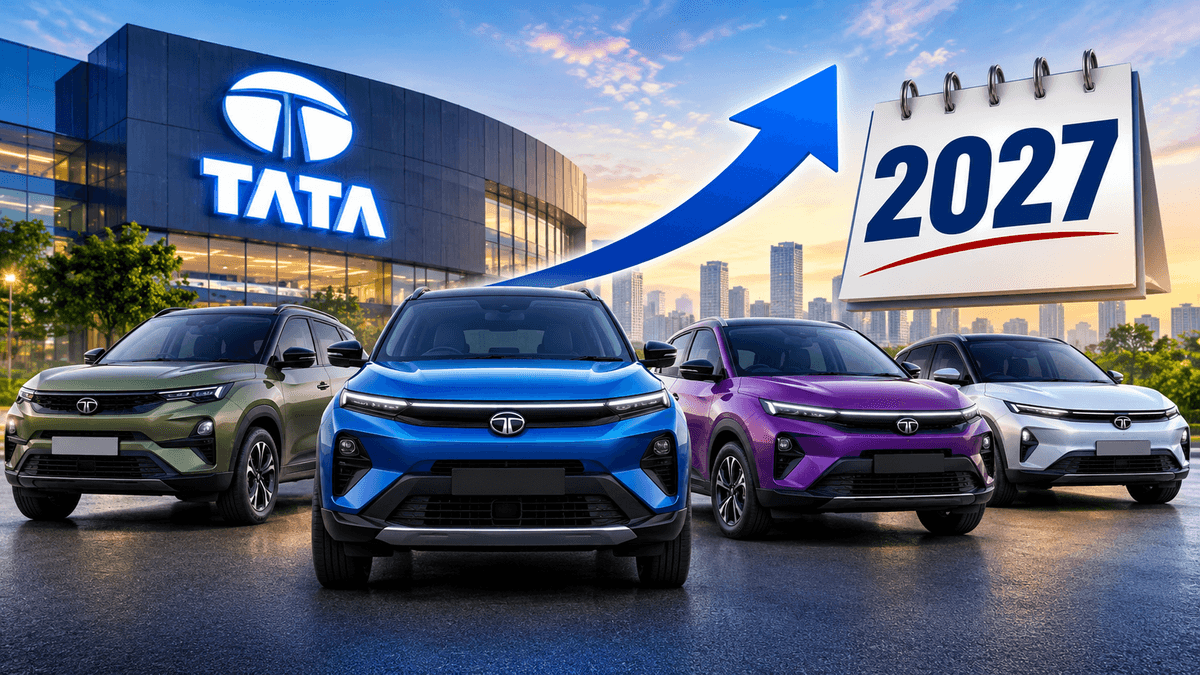
Alright, listen up, because this isn't just another rumour from the internet grapevine. Tata Motors, a brand that’s become synonymous with safety and value for us Indian buyers, is reportedly planning a massive product offensive. They’re looking to drop four all-new models onto our roads by 2027, and honestly, it shows they aren't content just playing in the current sandpit.
This isn't just about launching a facelift or a new trim; we're talking about completely fresh metal and advanced powertrains, with a heavy lean towards electric. If you've been saving up for that dream car and eyeing Tata, you'll want to pay close attention. They're making a clear statement: they want to dominate the future, especially in the booming SUV and EV segments. And frankly, about time, Maruti, Hyundai, and Mahindra get some serious competition from a home-grown hero.
Tata's Electrifying Future: What's Under The Hood?
Here’s the thing — Tata isn't just dipping its toes into the EV waters anymore; they’re cannonballing in. While specific details for each of the four upcoming models are still under wraps, the general direction is crystal clear: electric first, then possibly ICE. We’re expecting to see these new vehicles built on Tata’s advanced platforms like the Acti.ev for pure electrics and perhaps an evolution of the OMEGAarc for larger, premium offerings that could accommodate both EV and ICE powertrains.
Think about it. We’ve already seen the Curvv concept, the Sierra concept, and the radical Avinya concept. It's highly probable that these four new models will be the production versions derived from these very concepts. This means we're looking at a coupe-SUV, a larger premium SUV that harkens back to the iconic Sierra nameplate, and a futuristic, premium EV. For the ICE versions, expect tried-and-tested engine options, likely turbo-petrols and maybe even updated diesel units for certain segments, but the buzz is definitely around their EV iterations. Tata’s already got a strong grip on the EV market with the nexon-ev">Nexon EV and tiago-ev">Tiago EV; these new models will aim to push that leadership further up the price ladder.
Design Language & Cabin Comfort: A Peek Into Tomorrow
If the recent concepts are anything to go by, Tata’s design philosophy is evolving beautifully. We're moving past the 'Impact Design' era into something more sleek, sophisticated, and undeniably modern. Expect sharper lines, connected LED light bars, and a truly global appeal. The upcoming models are likely to sport bolder grilles (or lack thereof for EVs), sculpted bodywork, and distinctive alloy wheel designs that’ll definitely turn heads at the traffic light.
Inside, the cabins are set to get a significant upgrade too. Tata has been steadily improving interior quality, and these new models should push that even further. We're talking larger, floating touchscreens, fully digital instrument clusters, and possibly premium materials that are a cut above what we currently see. Features like advanced driver-assistance systems (ADAS), ventilated seats, a panoramic sunroof, and advanced connected car technology are almost a given for these premium offerings. It won't just be about getting from A to B; it'll be about experiencing comfort, tech, and a sense of occasion every time you step in. Honestly, the interior game is where Tata needs to really shine to justify a higher price tag, and they seem to be on the right track.
Specs At A Glance
Feature | Expected Details |
|---|---|
Expected Models | Production versions of Curvv, Sierra, Avinya concepts; harrier-ev">Harrier EV |
Platform (EVs) | Acti.ev (for smaller EVs), Gen 3 EV architecture (for premium EVs) |
Platform (ICE) | X1 platform evolution, or updated OMEGAarc for larger SUVs |
Powertrain (EVs) | Single & dual motor options; long-range battery packs (TBA) |
Powertrain (ICE) | Turbo-petrol engines (1.2L, 1.5L expected); potentially updated diesel |
Transmission | Manual, AMT, Automatic (DCT/torque converter expected) |
Range (EVs) | Expected 400-500+ km (real-world) depending on model |
Key Features | ADAS, large touchscreen, digital instrument cluster, connected car tech, ventilated seats, panoramic sunroof |
Launch Timeline | Phased launch between 2025-2027 |
Advertisement
How Does It Stack Up Against The Competition?
Look, Tata’s biggest rivals are clear: Mahindra, Maruti Suzuki, and Hyundai. With these four new models, especially the heavy EV focus, Tata is directly targeting Mahindra's XUV.e range and upcoming Born Electric vehicles. The Curvv, for instance, will go head-to-head with the likes of the Hyundai Creta and Kia Seltos, but with a unique coupe-SUV body style and an EV option that its rivals might not offer at launch. The Sierra and Avinya will aim higher, potentially challenging the XUV700, Safari, and even stretching into the territory currently dominated by Hyundai's Tucson or some entry-level premium SUVs.
Maruti, while strong in volumes, is playing catch-up in the EV space, giving Tata a significant lead. Hyundai has strong contenders, but Tata’s aggressive push with India-specific vehicles and platforms gives them an edge in understanding local consumer needs. If Tata can nail the fit and finish, deliver competitive range figures, and maintain its safety legacy, these new models could easily become segment leaders and truly cement Tata’s position as a dominant force in the Indian market.
The Good And The Not-So-Good
What We Like
- Aggressive EV Strategy: Tata is clearly all-in on electric, which is great for the future of mobility in India.
- Bold New Designs: The concepts look fantastic; a fresh, global design language is a welcome change.
- Feature-Rich Cabins: Expect advanced tech and creature comforts that will challenge rivals.
- Safety Focus: We're hoping they continue to prioritize passenger safety, a hallmark of Tata.
- Home-grown Advantage: Understanding of Indian roads and consumer preferences.
What Could Be Better
- Service Network: While improving, it still needs to expand and become more consistent, especially for new tech.
- Waiting Periods: If these models are as popular as expected, managing demand will be crucial.
- Pricing Strategy: They need to ensure these premium offerings don't price themselves out of reach for a typical Indian family saving for years.
- Initial Glitches: Early adopters sometimes face software or minor quality issues; consistent quality control is key.
Price & When You Can Buy It
Specific pricing, as you'd expect for models still a few years out, is completely under wraps. However, considering the segments these vehicles are likely to target, and their advanced nature, expect them to be premium offerings within their respective categories. The Curvv, for example, might start in the ₹12-15 lakh (ex-showroom) range for its ICE version, with the EV commanding a significant premium, while the Sierra and Avinya could easily climb into the ₹20-30 lakh+ territory, especially for their electric variants.
As for when you can get your hands on them, the reports suggest a phased rollout leading up to 2027. We might see the first of these new models, perhaps the Curvv, as early as late 2024 or early 2025, with the others following suit over the next couple of years. So, you've got some time to start saving, but the wait might just be worth it!
Our Verdict
Honestly, this aggressive roadmap from Tata Motors is incredibly exciting for the Indian automotive scene. It shows a brand that’s not afraid to innovate and challenge the status quo. If they can translate the stunning concept designs into equally compelling production models, back them up with solid engineering, and offer a hassle-free ownership experience, these four new models could very well redefine what we expect from an Indian carmaker. In my opinion, Tata's got the right vision; now it’s all about the execution. And if they nail it, these cars won't just be vehicles; they'll be statements, proving that Indian brands can stand tall on the global stage. It’s going to be a fun ride watching this unfold!