What's The Big News?
Hyundai, for a long time, was the undisputed number two player in India's car market. But lately, we've seen Tata Motors and even Mahindra giving them a real run for their money, especially in the SUV and EV segments. It's been a tough fight, and Hyundai's lost a bit of its shine.
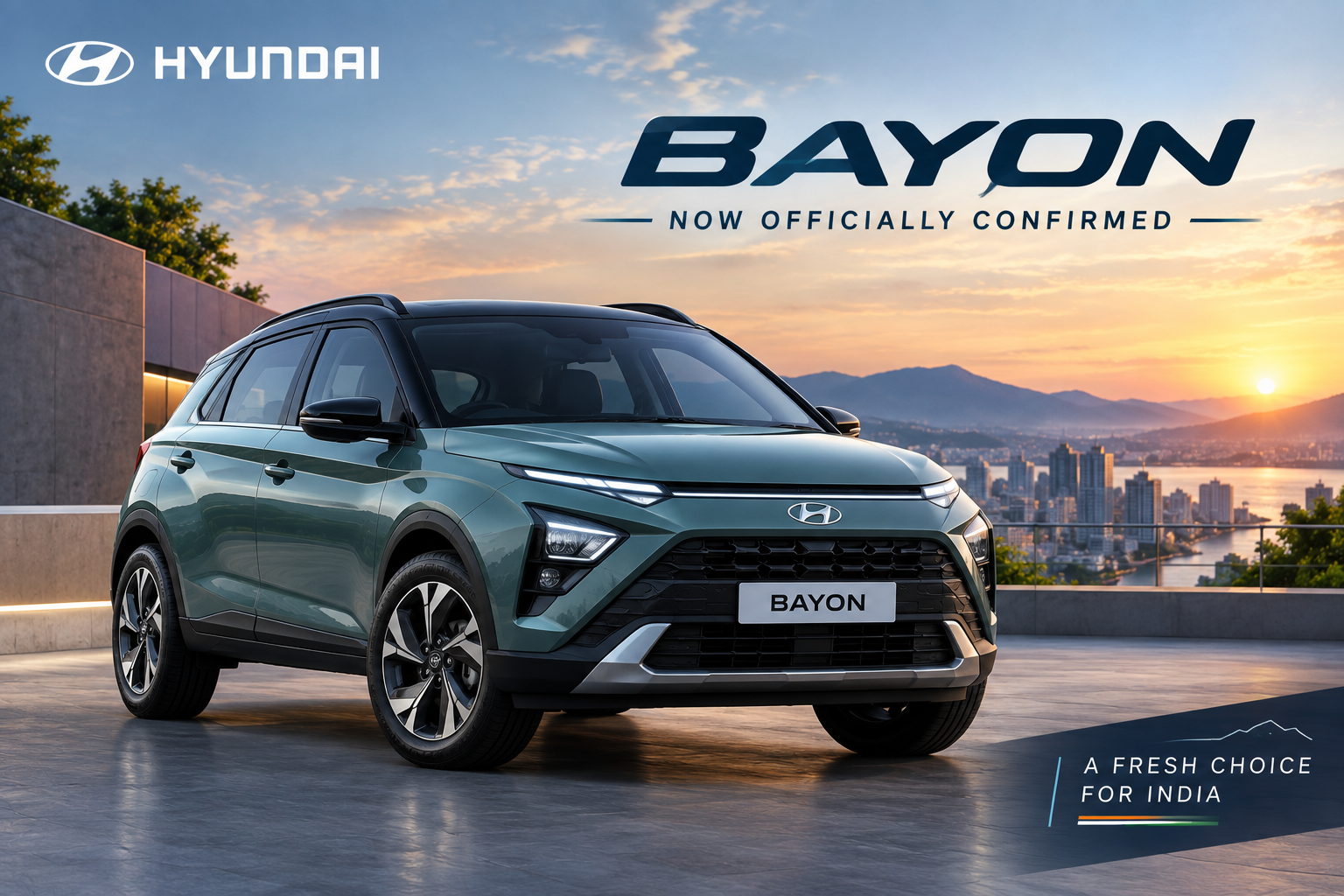
But don't count them out just yet. Word on the street is that Hyundai is gearing up for a massive counter-offensive. They're reportedly lining up two crucial new models: the Bayon compact SUV and an all-new, entry-level electric vehicle, codenamed HE1i EV. These aren't just new cars; they're a statement, a calculated risk to shake things up and get back into that coveted second spot.
Hyundai's Compact SUV Gamble: The Bayon
First up, let's talk about the Bayon. This isn't a completely new name globally; it's already sold in some European markets as a stylish, compact crossover. Now, if it comes to India, it's going to be specifically tailored for our sub-4-meter segment, going head-to-head with some absolute giants. Think Maruti Brezza, Tata Nexon, Kia Sonet, and even Hyundai's own Venue.
Why another compact SUV when they already have the Venue? That's the million-dollar question, isn't it? The Bayon is expected to offer a slightly different flavour – perhaps more of a crossover stance, a distinct design language, and a potentially more premium feel inside to differentiate it. It's a crowded segment, so standing out is key. We're expecting a strong focus on features, connectivity, and that signature Hyundai refinement, probably with petrol engine options, maybe even a turbo petrol. And honestly, it shows that Hyundai isn't afraid to flood the market if it means capturing more buyers.
The HE1i EV: Hyundai's Small EV Ambition
Now, this is where things get really interesting: the HE1i EV. Hyundai already has the Kona Electric and the Ioniq 5, which are great but cater to a niche, premium audience. The HE1i, on the other hand, is being whispered about as their answer to the affordable EV segment – the one currently dominated by the Tata Tiago EV and, to some extent, the MG Comet EV.
This could be a game-changer for Hyundai in the EV space. Imagine a Hyundai EV, with all their reliability and service network, but priced accessibly. This isn't just about selling cars; it's about making electric mobility mainstream. We're talking about a compact, city-friendly EV that could offer a decent range for daily commutes and be packed with features that Hyundai is known for. It's about time, Maruti (and Hyundai too, in this segment). This is where the real volumes are going to come from, and Hyundai seems to finally be taking it seriously.
Specs At A Glance
Feature | Hyundai Bayon (Expected) | Hyundai HE1i EV (Expected) |
|---|---|---|
Segment | Sub-4m Compact SUV/Crossover | Entry-level Urban EV |
Powertrain Type | Petrol (expected multiple options) | Electric Motor |
Battery Pack | N/A | Expected to be suitable for city driving |
Expected Range (ARAI) | N/A | Official figures yet to be revealed, likely 250-300 km |
Key Features | Premium interiors, connected tech, multiple airbags | Connected tech, compact footprint, regenerative braking |
Launch Timeline | Likely next 12-18 months | Likely next 12-18 months |
How Does It Stack Up Against The Competition?
The Bayon will have its work cut out in the compact SUV space. It'll be up against the Maruti Brezza and Tata Nexon, which are established segment leaders with fantastic value and strong engines. Then there's its own cousin, the Venue, and the Kia Sonet, both feature-packed. The Bayon needs to bring something truly fresh – maybe a unique design, even better interior quality, or segment-first features to justify its existence and grab market share. Pricing, as always, will be absolutely critical here; it can't be too close to the Creta, for example.
For the HE1i EV, the main rivals are the Tata Tiago EV and the upcoming MG Comet EV. The Tiago EV has set a great benchmark for affordable EVs in India. Hyundai's HE1i will need to offer competitive range, a compelling feature list (better than what Maruti gives you at this price), and aggressive pricing. If Hyundai can leverage its strong brand image and service network, they could quickly become a formidable player in this burgeoning segment.
The Good And The Not-So-Good
What We Like
- Fresh Design Language: The Bayon could bring a unique visual appeal to the crowded compact SUV segment.
- Hyundai's Reliability: You generally get solid build quality and a good service network with a Hyundai.
- Feature-Rich Interiors: Expect segment-leading features and tech, a Hyundai hallmark.
- Accessible EV Push: The HE1i EV signals Hyundai's serious intent to bring electric cars to the masses, which is great for consumers.
- Strong Brand Presence: Hyundai has a massive dealer network and brand recall across India.
What Could Be Better
- Crowded Segments: Both cars are entering highly competitive markets; differentiation will be tough.
- Pricing Strategy: Hyundai needs to nail the pricing to compete effectively against established rivals, especially for the Bayon.
- EV Range & Charging: For the HE1i EV, battery capacity and real-world range will be under intense scrutiny.
- Internal Cannibalization: The Bayon could potentially eat into Venue sales if not positioned correctly.
- Official Details: We're still waiting for solid information on specs and launch timelines.
Price & When You Can Buy It
Official pricing for both the Hyundai Bayon and the HE1i EV will be announced closer to their respective launches. Given their expected positioning, we anticipate the Bayon to start somewhere in the ₹8-13 lakh ex-showroom bracket, depending on variants and powertrains. The HE1i EV, being an entry-level electric, is expected to fall into the ₹9-12 lakh range, aiming squarely at the Tiago EV.
As for availability, these models are currently in various stages of development and planning for the Indian market. Don't expect to see them in showrooms tomorrow. We're looking at a possible launch window of the next 12 to 18 months for both vehicles, but that's still just an educated guess. Hyundai hasn't shared any concrete timelines yet, so stay tuned to CarBikeGPT.com for the latest updates.
Our Verdict
Here's the thing — Hyundai needs this. They've been brilliant at giving us feature-packed cars, but the competition has upped its game significantly. The Bayon and HE1i EV represent a critical moment for Hyundai to not just maintain relevance but to reclaim its dominant position. If they get the packaging right, the features spot on, and most importantly, the pricing aggressive, then yes, they absolutely stand a chance. Honestly, this isn't just about two new cars; it's about Hyundai telling the market that they're back in the fight, and they're bringing their A-game. It's going to be an exciting couple of years!