What's The Big News?
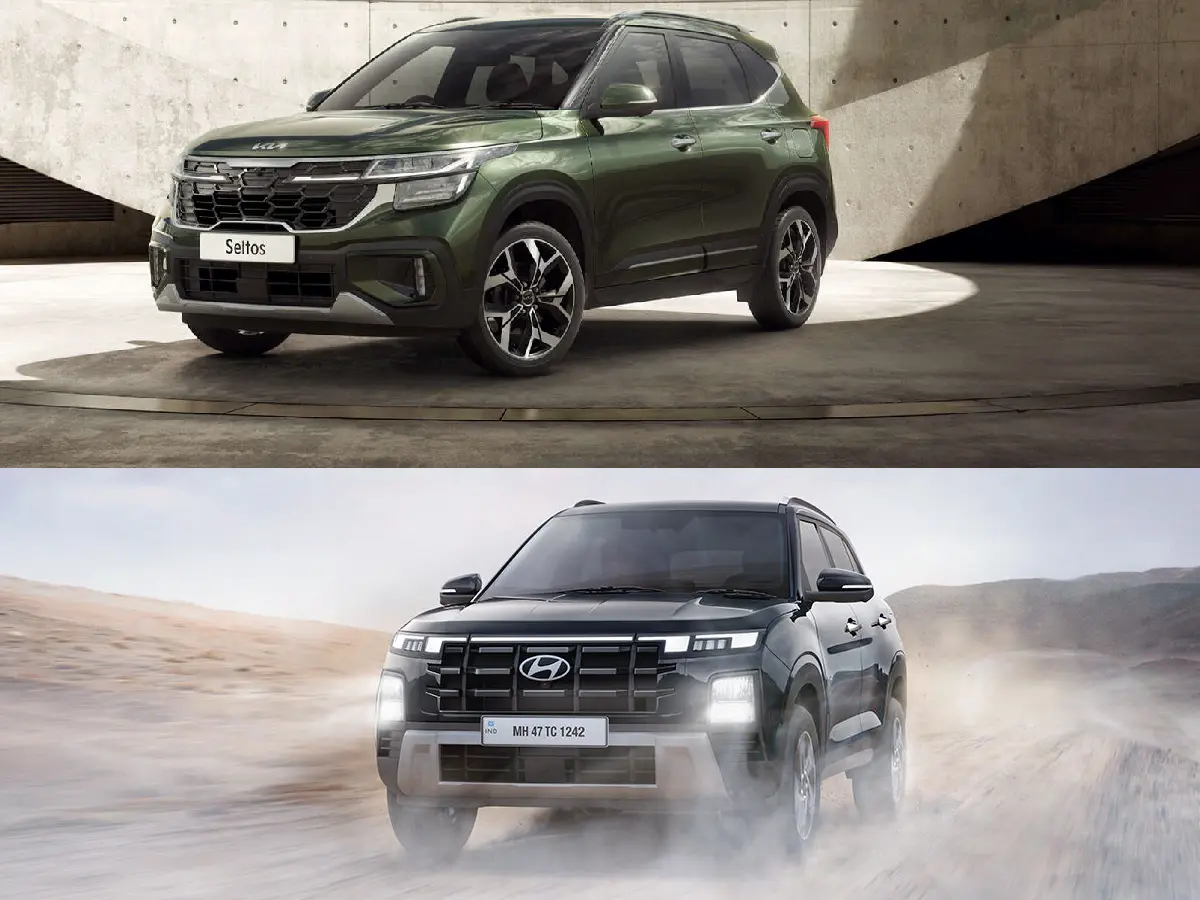
Wake up, folks. If you thought the Indian car market was getting a bit predictable with the endless sea of sub-four-meter compact SUVs, the Korean giants are about to shake things up again. Hyundai and sister brand Kia are cooking up a massive storm for 2026 with a diverse line-up that spans from budget-friendly crossovers to high-end hybrid behemoths. We've seen them dominate the mid-size SUV space with the Creta and Seltos, but their next phase of growth is all about exploring brand-new niches.
We are not talking about simple sticker jobs or minor bumper updates here. These are completely new nameplates and advanced powertrains designed to target the sweet spots of our market, giving you plenty of reasons to hold onto your checkbooks for just a little longer. Whether you are looking for a fuel-sipping family hauler or a stylish city runabout that doesn't look like every second car on your street, the 2026 Korean portfolio will have something tailored just for you.
The Korean Playbook: From Quirky Crossovers to Premium Hybrids
Let's start with the talk of the town: the Hyundai Bayon. If you have been keeping tabs on the European market, you'll know this is a sharp-looking crossover that shares its DNA with our beloved i20 hatchback. It's got that striking, futuristic design language we've come to expect from Hyundai, but with a raised ride height to tackle our infamous crater-filled roads. Think of it as a more stylish, premium alternative to the Venue, aimed squarely at buyers who want hatchback-like driving dynamics but need that extra ground clearance and rugged body cladding.
Moving up the ladder, Kia is preparing to bring its heavy hitter, the Sorento Hybrid. This is a proper, large three-row SUV that has been tasting massive success globally. By bringing the hybrid version to India, Kia is making a direct play for the eco-conscious premium buyer who wants a commanding road presence without the eye-watering running costs of a massive petrol engine. Alongside these two stars, we expect both brands to introduce next-generation electric vehicles and heavily updated versions of their existing champions to complete their 2026 offensive.
Why This Shift Matters For Indian Buyers
Indian buyers are evolving faster than manufacturers can keep up, and we've stopped compromising on safety, tech, or cabin feel. For the price of a mid-spec Swift a decade ago, you now expect connected car tech, multiple airbags, and a premium cabin experience. Hyundai and Kia have mastered this formula better than anyone else in the business (yes, really). They know that the modern Indian car buyer is willing to stretch their budget if the product feels genuinely premium and futuristic.
Bringing cars like the Bayon and Sorento Hybrid shows that these brands aren't afraid to experiment outside the traditional hatchback and mid-size SUV boxes. With Toyota currently ruling the hybrid space almost unchallenged with the Innova Hycross, Kia's entry into the hybrid SUV segment will finally give buyers a luxurious, tech-loaded alternative. It's a strategic move to capture both the aspirational budget buyer and the premium upgrade seeker in one clean sweep, ensuring that there's a Korean car parked in every Indian driveway.
Specs At A Glance
While official Indian specifications are yet to be fully revealed by the manufacturers, here is what we expect based on international models and industry insiders:
Model | Expected Engine Options | Expected Transmission | Key Highlight Features |
|---|---|---|---|
Hyundai Bayon | 1.2L Petrol / 1.0L Turbo Petrol | Manual / 7-speed DCT | Sharp European styling, raised ground clearance, premium cabin |
Kia Sorento Hybrid | 1.6L Turbo Petrol Hybrid | Automatic | Three-row seating, AWD option, exceptional fuel economy |
Kia Syros / Clavis | 1.2L Petrol / Electric (TBA) | Manual / AMT / Automatic | Quirky boxy styling, slotting between Sonet and Seltos |
Hyundai Creta EV | Electric Motor & Battery (TBA) | Single-speed Automatic | Long-range capability, familiar Creta comfort, silent drive |
How Does It Stack Up Against The Competition?
The Hyundai Bayon is going to enter a very crowded space, but its unique crossover styling gives it a distinct advantage. It will lock horns with the incredibly popular Maruti Fronx and the Tata Nexon. While the Fronx appeals to those looking for Maruti's legendary fuel efficiency and reliability, the Bayon will target buyers who want a more sophisticated, European-style cabin and sharper handling. It won't be as tall as a Nexon, but it will offer a far more car-like driving experience that enthusiasts will appreciate.
On the premium end, the Kia Sorento Hybrid has its crosshairs set straight on the Toyota Fortuner and the Skoda Kodiaq. Honestly, the Fortuner is a legendary tough-as-nails SUV, but it lacks the modern refinement, tech, and fuel efficiency that a hybrid powertrain offers. The Sorento Hybrid will appeal to buyers who want luxury-car levels of comfort and features without the exorbitant maintenance bills of the European luxury brands. It's a modern, tech-forward alternative to the old-school body-on-frame SUVs that currently dominate the segment.
The Good And The Not-So-Good
What We Like
- Cutting-edge hybrid tech: Kia bringing a proper hybrid to the premium SUV space is a massive win for fuel-conscious buyers.
- Stunning design language: Both the Bayon and Sorento look incredibly futuristic and will easily turn heads on Indian streets.
- Feature-loaded cabins: Expect panoramic sunroofs, advanced ADAS suites, ventilated seats, and class-leading infotainment screens.
- Diverse choices: From affordable crossovers to premium hybrids and EVs, there is something for every budget.
What Could Be Better
- Product overlap: The Bayon might end up fighting for showroom space with the i20 N Line and the Venue.
- Premium pricing potential: The Sorento Hybrid, being an import or low-localization product initially, could carry a hefty price tag.
- Uncertain launch timelines: 2026 is still a long wait for buyers looking to upgrade their cars immediately.
Price & When You Can Buy It
Since these launches are slated for 2026, official prices are closely guarded secrets. However, we can make some highly educated guesses based on how these brands position their current products. The Hyundai Bayon is expected to sit in the ₹8 lakh to ₹12 lakh price bracket, putting it right in the mix with premium hatchbacks and compact SUVs. The Kia Syros/Clavis will likely occupy a similar space, filling the gap between the Sonet and Seltos.
As for the big-ticket items, the Kia Sorento Hybrid is expected to be a premium offering, likely priced in the ₹40 lakh to ₹50 lakh range, depending on whether Kia decides to assemble it locally or bring it in as a fully built import. The Hyundai Creta EV is expected to be priced around ₹20 lakh to ₹25 lakh, making it a direct rival to the Tata Curvv EV and MG ZS EV. Expect these models to start rolling into showrooms in the first half of 2026.
Our Verdict
Look, the Indian car buyer is no longer satisfied with just basic point-A-to-point-B commuters. We want performance, we want style, and most importantly, we want technology that makes us feel like we are driving something from the future. Hyundai and Kia have clearly understood this assignment.
In my opinion, the Sorento Hybrid is the real dark horse here. If Kia can price it sensibly and avoid the temptation of a greedy launch price, it might just eat the Toyota Fortuner's lunch. While the budget crossovers will keep the cash registers ringing, it's these high-tech, eco-friendly premium offerings that will define the next chapter of the Korean success story in India. If you can afford to wait until 2026, your patience might just be rewarded with some of the best cars we've seen this decade.